
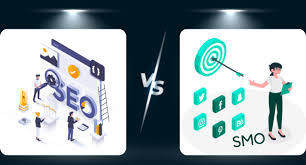
Search Engine Optimization (SEO) and Social Media Optimization (SMO) are two crucial components of any successful digital marketing strategy. While both SEO and SMO aim to increase online visibility and drive traffic to a website, they focus on different aspects of online marketing.
SEO:
SEO involves optimizing a website to improve its search engine rankings and increase organic traffic. By incorporating relevant keywords, creating high-quality content, optimizing meta tags, improving site speed, and building backlinks, businesses can enhance their online presence and attract more visitors from search engines like Google.
Effective SEO strategies not only help websites rank higher in search engine results pages (SERPs) but also improve the overall user experience by making websites more user-friendly and informative. By following SEO best practices, businesses can reach a wider audience and drive targeted traffic to their websites.
SMO:
SMO focuses on leveraging social media platforms to promote a website and engage with target audiences. By creating compelling social media profiles, sharing valuable content, interacting with followers, and running targeted advertising campaigns, businesses can increase brand awareness, generate leads, and drive traffic from social media channels.
Unlike SEO, which primarily targets search engine algorithms, SMO is more about building relationships with customers and fostering brand loyalty through social media engagement. By establishing a strong presence on platforms like Facebook, Twitter, Instagram, LinkedIn, and Pinterest, businesses can connect with their target audience on a personal level and encourage them to visit their website.
The Synergy Between SEO and SMO:
While SEO and SMO serve different purposes in digital marketing, they complement each other when integrated into a cohesive strategy. By combining the power of SEO’s keyword optimization with SMO’s social engagement tactics, businesses can create a holistic approach to online marketing that maximizes visibility across search engines and social media platforms.
Furthermore, sharing optimized content on social media channels can boost its reach and attract more inbound links from authoritative websites – factors that positively impact SEO performance. Similarly, incorporating social sharing buttons on web pages can encourage visitors to share content across their social networks, enhancing brand exposure and driving referral traffic.
In conclusion,SEOandSMOare essential tools for enhancing online visibility,driving targeted traffic,an R
Search Engine Optimization (SEO), Search Engine Marketing (SEM), Social Media Marketing (SMM), and Social Media Optimization (SMO) are all essential components of a comprehensive digital marketing strategy. SEO focuses on improving a website’s visibility in search engine results through organic tactics such as keyword optimization and content creation. SEM involves paid advertising to increase a website’s visibility in search engine results pages. SMM utilises social media platforms to promote products or services and engage with customers. SMO, on the other hand, aims to optimize social media profiles and content to enhance brand visibility and drive traffic from social platforms. Each of these strategies plays a unique role in enhancing online presence and reaching target audiences effectively.
Search Engine Optimization (SEO), Social Media Optimization (SMO), and Search Engine Marketing (SEM) are essential components of digital marketing strategies aimed at enhancing online visibility and driving targeted traffic to websites. SEO focuses on improving a website’s search engine rankings through keyword optimization, content creation, and other techniques to attract organic traffic. SMO, on the other hand, leverages social media platforms to engage with audiences, build brand awareness, and drive traffic from social channels. SEM involves paid advertising campaigns on search engines like Google to increase visibility through paid search results. By combining SEO’s organic reach, SMO’s social engagement tactics, and SEM’s paid advertising opportunities, businesses can create a comprehensive digital marketing strategy that maximizes their online presence and drives results.
Search Engine Optimization (SEO) and Social Media Optimization (SMO) are two essential digital marketing strategies that aim to enhance online visibility and drive traffic to websites. SEO involves optimizing a website’s content, structure, and backend elements to improve its search engine rankings and attract organic traffic from platforms like Google. On the other hand, SMO focuses on leveraging social media platforms to engage with target audiences, build brand awareness, and drive traffic from social channels. Both SEO and SMO play a crucial role in helping businesses reach their online marketing goals by increasing visibility, attracting relevant traffic, and fostering meaningful connections with customers through search engines and social media platforms.
Search Engine Optimization (SEO) and Social Media Optimization (SMO) are essential digital marketing strategies aimed at enhancing online visibility and driving targeted traffic to websites. SEO involves optimizing a website’s content, structure, and back-end elements to improve its search engine rankings. For example, by incorporating relevant keywords into web pages, creating high-quality content that resonates with users and search engines, and acquiring backlinks from reputable sites, a business can increase its organic traffic and attract more visitors from search engines like Google. On the other hand, SMO focuses on leveraging social media platforms to promote a website and engage with audiences. For instance, by sharing engaging content on platforms like Facebook, Twitter, or Instagram, interacting with followers, and running targeted ad campaigns, businesses can boost brand awareness, drive traffic from social media channels, and foster meaningful connections with their audience. By integrating SEO and SMO strategies effectively, businesses can create a comprehensive digital marketing approach that maximizes their online presence across search engines and social media platforms.
Search Engine Optimization (SEO) and Social Media Optimization (SMO) are both essential digital marketing strategies aimed at improving online visibility and driving traffic to websites. SEO focuses on optimizing a website to rank higher in search engine results pages, thus increasing organic traffic. On the other hand, SMO involves leveraging social media platforms to enhance brand awareness, engage with target audiences, and drive traffic from social channels. While SEO primarily targets search engine algorithms, SMO focuses on building relationships with customers through social engagement. By combining the power of SEO’s keyword optimization with SMO’s social media tactics, businesses can create a comprehensive approach to online marketing that maximizes visibility across search engines and social media platforms.
Search Engine Optimization (SEO) and Social Media Optimization (SMO) are two fundamental pillars of digital marketing. SEO involves optimizing a website to improve its visibility on search engines like Google, driving organic traffic through strategies such as keyword research, content creation, and link building. On the other hand, SMO focuses on leveraging social media platforms to enhance a brand’s online presence and engage with target audiences effectively. By understanding the distinct roles of SEO and SMO and integrating them into a cohesive digital marketing strategy, businesses can maximise their online reach and engagement across search engines and social media channels.
A common question in the realm of digital marketing is the distinction between SEO, SEM, and SMO. SEO, which stands for Search Engine Optimization, focuses on optimizing a website to improve its organic search engine rankings and attract more traffic from search engines like Google. On the other hand, SEM (Search Engine Marketing) involves paid advertising strategies to increase a website’s visibility in search engine results pages. SMO (Social Media Optimization), meanwhile, concentrates on leveraging social media platforms to enhance a brand’s online presence and engage with target audiences. While SEO and SMO primarily target organic traffic and social engagement, respectively, SEM utilises paid advertising to drive immediate results. Understanding the differences between SEO, SEM, and SMO is crucial for developing a comprehensive digital marketing strategy that aligns with specific business goals and objectives.
Search Engine Optimization (SEO), Social Media Optimization (SMO), and Pay-Per-Click (PPC) are three essential components of digital marketing. SEO involves optimizing a website to improve its search engine rankings and attract organic traffic, while SMO focuses on leveraging social media platforms to increase brand visibility and engage with target audiences. On the other hand, PPC is a paid advertising model where businesses pay a fee each time their ad is clicked. By understanding the unique benefits of SEO, SMO, and PPC, businesses can develop a comprehensive digital marketing strategy that maximizes online visibility, drives targeted traffic, and enhances brand awareness across search engines and social media channels.
Search Engine Optimization (SEO) and Social Media Optimization (SMO) are two essential pillars of digital marketing that play a significant role in enhancing online visibility and driving targeted traffic to websites. SEO focuses on improving a website’s search engine rankings through strategies like keyword optimization, content creation, and link building, with the aim of increasing organic traffic from search engines. On the other hand, SMO involves leveraging social media platforms to engage with audiences, build brand awareness, and drive traffic to websites through social interactions and content sharing. Both SEO and SMO are integral components of a comprehensive digital marketing strategy that aims to boost online presence, attract relevant audiences, and achieve business objectives in the competitive digital landscape.
Social Media Optimization (SMO) in marketing refers to the process of using social media platforms to increase brand visibility, engage with target audiences, and drive traffic to a website. SMO involves creating compelling social media profiles, sharing valuable content, interacting with followers, and running targeted advertising campaigns to promote a brand effectively. By leveraging the power of social media channels such as Facebook, Twitter, Instagram, LinkedIn, and Pinterest, businesses can enhance their online presence, build relationships with customers, and ultimately achieve their marketing goals through increased brand awareness and customer engagement.
A common question that arises in the realm of digital marketing is: How can you differentiate between SEO and SMO? Search Engine Optimization (SEO) primarily focuses on improving a website’s search engine rankings and increasing organic traffic by optimizing content, meta tags, backlinks, and more. On the other hand, Social Media Optimization (SMO) revolves around leveraging social media platforms to enhance brand visibility, engage with target audiences, and drive traffic through social channels. While SEO aims to boost website visibility on search engines like Google, SMO aims to cultivate relationships with customers through social media engagement. Both SEO and SMO play vital roles in a comprehensive digital marketing strategy, each with its unique approach to enhancing online presence and driving targeted traffic.
When it comes to digital marketing strategies, understanding the differences between SEO, SEM, SMO, and SMM is crucial for businesses looking to enhance their online presence. SEO (Search Engine Optimization) focuses on optimizing a website to improve its organic search rankings and drive traffic. SEM (Search Engine Marketing), on the other hand, involves paid advertising to increase a website’s visibility in search engine results. SMO (Social Media Optimization) aims at leveraging social media platforms to promote a website and engage with audiences, while SMM (Social Media Marketing) encompasses paid advertising and organic strategies to build brand awareness and drive engagement on social media channels. Each of these strategies plays a unique role in a comprehensive digital marketing plan, helping businesses reach their target audience effectively across search engines and social media platforms.
One common question that arises in the realm of digital marketing is: How are SEO and SMO related? Search Engine Optimization (SEO) and Social Media Optimization (SMO) are interconnected elements of a comprehensive digital marketing strategy. While SEO focuses on improving a website’s visibility and ranking on search engine results pages, SMO aims to enhance brand presence and engagement on social media platforms. The synergy between SEO and SMO lies in their shared goal of increasing online visibility, driving targeted traffic, and ultimately boosting a website’s overall performance in terms of both search engine rankings and social media reach. By integrating SEO strategies with SMO tactics, businesses can create a powerful online presence that resonates with their target audience across various digital channels.
A common question in the realm of digital marketing is the distinction between SEO, SEM, and SMM. SEO, which stands for Search Engine Optimization, focuses on improving a website’s visibility in organic search engine results by optimizing content and website structure. SEM, or Search Engine Marketing, encompasses paid advertising efforts to increase a website’s visibility in search engine results pages through strategies like pay-per-click (PPC) campaigns. SMM, or Social Media Marketing, involves using social media platforms to promote a brand and engage with its audience. While SEO and SEM primarily target search engines like Google, SMM leverages social media channels such as Facebook and Twitter to drive traffic and build brand awareness. Each of these strategies plays a vital role in enhancing a company’s online presence and reaching its target audience effectively.
When it comes to the debate on whether SEO or SMO is better for digital marketing, the answer often depends on the specific goals and objectives of a business. SEO focuses on improving website visibility in search engine results, driving organic traffic and enhancing overall online presence. On the other hand, SMO leverages social media platforms to engage with audiences, build brand awareness and drive traffic from social channels. While both SEO and SMO are valuable components of a comprehensive digital marketing strategy, businesses should consider their target audience, industry trends, and marketing budget to determine which approach aligns best with their objectives. Ultimately, a combination of both SEO and SMO strategies can yield optimal results by maximising online visibility across search engines and social media platforms.
One frequently asked question in the realm of digital marketing is: “How is SEO and SMO used in digital marketing?” Search Engine Optimization (SEO) and Social Media Optimization (SMO) play vital roles in a comprehensive digital marketing strategy. SEO focuses on enhancing a website’s visibility and ranking on search engine results pages through tactics like keyword optimization, content creation, and link building. On the other hand, SMO involves leveraging social media platforms to increase brand awareness, engage with audiences, and drive traffic to a website. By integrating SEO techniques for improved search engine visibility with SMO strategies for enhanced social media presence, businesses can effectively reach their target audience and achieve their online marketing goals.
SMO, SEO, and SEM are essential components of digital marketing strategies aimed at improving online visibility and driving traffic to websites. SMO, or Social Media Optimization, focuses on leveraging social media platforms to engage with target audiences and promote brand awareness. SEO, or Search Engine Optimization, involves optimizing websites to rank higher in search engine results pages and attract organic traffic through keyword research and content optimization. SEM, or Search Engine Marketing, encompasses paid advertising strategies such as Google Ads to increase website visibility in search engine results. By integrating SMO, SEO, and SEM into a cohesive digital marketing plan, businesses can enhance their online presence and reach their target audience effectively.
Social Media Optimization (SMO) in marketing refers to the strategic use of social media platforms to enhance a brand’s online visibility and engage with target audiences. SMO involves creating and optimizing social media profiles, sharing relevant content, interacting with followers, and running targeted advertising campaigns to increase brand awareness, drive website traffic, and foster customer relationships. By leveraging the power of popular social networks like Facebook, Twitter, Instagram, LinkedIn, and Pinterest, businesses can effectively promote their products or services, build a loyal community of followers, and ultimately boost their overall digital marketing efforts.eaiyin.TSS S E F F E C T I[V E A N D A F F O R D A B L E D I G I T A L M A R K E T I N G S O L U T I O N S.[F R O M E N H A N C I N G Y O U R O N L I N E P R E S E N C E T O B O O S T I N G Y O U R W E B P A G E V I S I B I L I T Y,[T H E C O M B I N A T I O N O F S E O ‘S K E Y W [O]R D [O]P [T]I M [I]Z [A]T [I]O [N W [I]TH [/U][/L][/B][/R][/
Understanding SEO, SEM, SMM & SMO: 18 Frequently Asked Questions
What is SEO SEM SMM & SMO?
What is SEO SMO and SEM?
What is SEO and SMO?
What is SEO and SMO with example?
What is SEO and SOM?
What are SEO and SMO?
What is SEO vs SEM vs SMO?
What is SEO SMO and PPC?
What is SCO and SMO?
What does SMO mean in marketing?
How can you differentiate between SEO and SMO?
What is SEO vs SEM vs SMO vs SMM?
How are SEO and SMO related?
What is SEO vs SEM vs SMM?
Which is better SEO or SMO?
How is SEO and SMO used in digital marketing?
What is SMO SEO SEM?
What is SMO in marketing?