
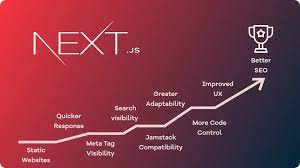
The Power of Next.js for SEO: Boosting Your Website’s Visibility
Search Engine Optimization (SEO) plays a crucial role in determining the visibility and ranking of your website on search engine results pages. In today’s competitive online landscape, having a strong SEO strategy is essential for attracting organic traffic and reaching your target audience.
When it comes to building SEO-friendly websites, Next.js has emerged as a powerful tool that offers numerous advantages for enhancing your site’s search engine performance. Next.js is a popular React framework that provides developers with the flexibility and tools needed to create fast, dynamic, and SEO-friendly web applications.
Key Features of Next.js for SEO:
- Server-Side Rendering (SSR): Next.js supports server-side rendering out of the box, allowing search engines to easily crawl and index your website content. SSR helps improve page load times and ensures that search engines can efficiently process and rank your web pages.
- Dynamic Routing: With Next.js, you can implement dynamic routing for your website pages, making it easier to create SEO-friendly URLs that are both user-friendly and optimised for search engines. Dynamic routing enables you to structure your website in a logical manner that enhances navigation and indexing.
- Automatic Code Splitting: Next.js automatically splits code into smaller bundles, which can improve page load speed and overall performance. Faster loading times are crucial for SEO, as search engines prioritise websites that deliver a seamless user experience.
- Image Optimization: Next.js provides built-in support for image optimization, enabling you to deliver high-quality images while maintaining optimal loading speeds. Optimized images contribute to better user engagement and can positively impact your website’s SEO performance.
- SEO Metadata Management: Next.js allows you to easily manage essential SEO metadata such as title tags, meta descriptions, canonical URLs, and Open Graph tags. By optimizing these elements, you can enhance how your website appears in search engine results and attract more organic traffic.
In conclusion, leveraging the power of Next.js for SEO can significantly boost your website’s visibility and performance in search engine rankings. By implementing best practices in web development and utilising the advanced features offered by Next.js, you can create an SEO-optimised website that attracts more visitors and achieves higher search engine rankings.
9 Essential Tips for Enhancing SEO in Next.js Websites
- Utilize next/head to add custom meta tags for each page.
- Optimize images and other media files for faster loading times.
- Implement server-side rendering to improve SEO performance.
- Ensure all important content is crawlable by search engines.
- Use structured data markup to help search engines understand your content better.
- Create descriptive and concise meta titles and descriptions for each page.
- Generate XML sitemaps to assist search engine crawlers in indexing your site effectively.
- Monitor and analyse your website’s SEO performance using tools like Google Analytics or Search Console.
- Regularly update and maintain your Next.js website with fresh content to improve its SEO ranking.
Utilize next/head to add custom meta tags for each page.
To enhance the SEO performance of your Next.js website, a valuable tip is to utilise the next/head component to add custom meta tags for each page. By incorporating custom meta tags such as title tags, meta descriptions, canonical URLs, and Open Graph tags using next/head, you can optimise how your web pages are displayed in search engine results. This practice not only improves the visibility and relevance of your content but also enhances the overall SEO strategy of your website, making it more attractive to both users and search engines alike.
Optimize images and other media files for faster loading times.
Optimizing images and other media files is a crucial tip for improving SEO performance in Next.js. By reducing the file size of images and media assets without compromising quality, you can enhance your website’s loading speed, which is a key factor in search engine rankings. Faster loading times not only improve user experience but also signal to search engines that your site is well-optimized and user-friendly, potentially leading to higher visibility and better SEO outcomes. Incorporating image optimization techniques as part of your Next.js SEO strategy can have a significant impact on both user engagement and search engine ranking results.
Implement server-side rendering to improve SEO performance.
By implementing server-side rendering in Next.js, you can significantly enhance your website’s SEO performance. Server-side rendering allows search engines to easily crawl and index your website content, leading to improved visibility and higher rankings on search engine results pages. By serving pre-rendered HTML to search engine bots, you can ensure that your website is efficiently processed and ranked, ultimately attracting more organic traffic and reaching a wider audience.
Ensure all important content is crawlable by search engines.
To maximise the effectiveness of Next.js for SEO, it is crucial to ensure that all essential content on your website is easily crawlable by search engines. By structuring your website in a way that allows search engine bots to access and index important information, you can improve your site’s visibility and ranking in search results. Utilising features such as server-side rendering and proper URL structuring in Next.js can help ensure that search engines can efficiently crawl and understand the content on your website, ultimately enhancing its SEO performance.
Use structured data markup to help search engines understand your content better.
Utilising structured data markup in your Next.js website can greatly enhance its search engine optimisation (SEO) performance. By incorporating structured data markup, you provide search engines with valuable information about the content on your site, making it easier for them to understand and index your pages accurately. This structured data helps search engines display rich snippets in search results, improving the visibility and relevance of your website to users. Implementing structured data markup is a powerful strategy to help search engines better comprehend your content and ultimately boost your website’s SEO effectiveness.
Create descriptive and concise meta titles and descriptions for each page.
Creating descriptive and concise meta titles and descriptions for each page is a crucial aspect of Next.js SEO. These elements serve as the first impression of your web pages in search engine results, influencing click-through rates and overall visibility. By crafting compelling meta titles that accurately reflect the content of the page and concise meta descriptions that entice users to click, you can improve your website’s chances of ranking higher in search results and attracting relevant organic traffic. Paying attention to these details not only enhances user experience but also signals to search engines the relevance and quality of your content, ultimately contributing to a stronger SEO performance for your Next.js website.
Generate XML sitemaps to assist search engine crawlers in indexing your site effectively.
Generating XML sitemaps is a crucial tip for enhancing SEO with Next.js. By creating XML sitemaps, you provide search engine crawlers with a roadmap of your website’s structure and content, making it easier for them to index your site efficiently. This helps search engines discover and understand all the pages on your website, ultimately improving your site’s visibility and rankings in search results. Including XML sitemaps as part of your SEO strategy in Next.js can have a significant impact on how effectively your website is crawled and indexed by search engines.
Monitor and analyse your website’s SEO performance using tools like Google Analytics or Search Console.
To maximise the effectiveness of your Next.js SEO strategy, it is essential to monitor and analyse your website’s performance using tools such as Google Analytics or Search Console. These tools provide valuable insights into how your website is performing in terms of organic search traffic, user engagement, keyword rankings, and more. By regularly monitoring and analysing this data, you can identify areas for improvement, track the impact of your SEO efforts, and make informed decisions to enhance your website’s visibility and ranking on search engine results pages.
Regularly update and maintain your Next.js website with fresh content to improve its SEO ranking.
Regularly updating and maintaining your Next.js website with fresh and relevant content is essential for enhancing its SEO ranking. Search engines favour websites that provide users with up-to-date and valuable information. By consistently adding new content, you not only keep your website engaging for visitors but also signal to search engines that your site is active and relevant. This practice can help improve your website’s visibility in search results and attract more organic traffic over time.