
Maximizing Sales Through Effective Product Page Optimization
Product Page Optimization: Enhancing Your E-Commerce Success
When it comes to running a successful e-commerce business, one of the key components that can significantly impact your sales and conversions is product page optimization. Your product pages are essentially your digital storefronts, and they play a crucial role in attracting potential customers, keeping them engaged, and ultimately driving them to make a purchase.
The Importance of Product Page Optimization
Optimizing your product pages involves fine-tuning various elements such as content, design, layout, and functionality to create a seamless and engaging user experience. By focusing on product page optimization, you can improve your site’s visibility in search engine results, increase user engagement and satisfaction, boost conversion rates, and ultimately drive more revenue for your business.
Key Strategies for Product Page Optimization
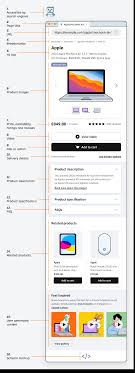
Compelling Product Descriptions: Craft detailed and persuasive product descriptions that highlight the key features, benefits, and unique selling points of each item. Use high-quality images or videos to complement the text and provide customers with a clear idea of what they are purchasing.
Clear Call-to-Action (CTA): Ensure that your product pages have prominent CTAs that guide users towards making a purchase or taking the desired action. Use compelling language that encourages visitors to act quickly and decisively.
User-Friendly Design: Create visually appealing and easy-to-navigate product pages that are optimised for both desktop and mobile devices. Use intuitive layouts, clear headings, bullet points, and white space to enhance readability and user experience.
Customer Reviews and Ratings: Incorporate customer reviews and ratings on your product pages to build trust with potential buyers. Positive reviews can help reassure customers about the quality of your products and encourage them to make a purchase.
Measuring Success
To gauge the effectiveness of your product page optimization efforts, it’s essential to track key performance indicators (KPIs) such as conversion rate, bounce rate, average session duration, and revenue generated per visit. Analyse this data regularly to identify areas for improvement and refine your optimization strategies accordingly.
Conclusion
In conclusion, product page optimization is a critical aspect of e-commerce success that can have a significant impact on your business’s bottom line. By implementing effective strategies such as compelling product descriptions, clear CTAs, user-friendly design elements, and customer reviews integration, you can create engaging product pages that drive conversions and delight customers.
Top 9 FAQs on Optimising Product Pages for E-commerce Success
- What is product page optimization?
- Why is product page optimization important for e-commerce businesses?
- How can compelling product descriptions improve product page optimization?
- What role do call-to-action (CTA) buttons play in product page optimization?
- How does user-friendly design impact product page optimization?
- Why are customer reviews and ratings essential for product page optimization?
- What key performance indicators (KPIs) should be monitored to measure the success of product page optimization?
- What are some common mistakes to avoid in product page optimization?
- How often should product pages be updated or revised for optimal performance?
What is product page optimization?
Product page optimization refers to the process of enhancing and refining the content, design, functionality, and user experience of individual product pages on an e-commerce website. It involves strategically structuring product information, images, descriptions, and calls-to-action to attract visitors, keep them engaged, and ultimately drive conversions. By focusing on product page optimization, businesses aim to improve search engine visibility, increase user engagement and satisfaction, boost conversion rates, and ultimately maximise revenue generation.
Why is product page optimization important for e-commerce businesses?
Product page optimization is crucial for e-commerce businesses because it directly impacts the online success and profitability of a company. By focusing on enhancing product pages, businesses can improve their visibility in search engine results, attract more potential customers, increase user engagement and satisfaction, boost conversion rates, and ultimately drive higher revenue. A well-optimized product page with compelling descriptions, clear call-to-action buttons, user-friendly design elements, and customer reviews can significantly influence a customer’s purchasing decision and create a positive shopping experience that encourages repeat business. In today’s competitive online marketplace, product page optimization is essential for standing out from the crowd and maximising e-commerce performance.
How can compelling product descriptions improve product page optimization?
Compelling product descriptions play a crucial role in enhancing product page optimization by capturing the attention of potential customers and persuading them to make a purchase. Well-crafted descriptions that highlight the key features, benefits, and unique selling points of a product not only provide valuable information to shoppers but also help improve search engine visibility. By incorporating relevant keywords and engaging language, compelling product descriptions can attract organic traffic to the product page, increase user engagement, and ultimately boost conversion rates. Additionally, descriptive and persuasive content helps build trust with customers, instilling confidence in the quality of the product and encouraging them to complete the purchase.
What role do call-to-action (CTA) buttons play in product page optimization?
Call-to-action (CTA) buttons play a crucial role in product page optimization by guiding visitors towards taking specific actions that lead to conversions. These buttons serve as prompts that encourage users to make a purchase, sign up for a newsletter, request more information, or engage with the product in some way. By strategically placing clear and compelling CTAs on product pages, businesses can direct user behaviour, increase engagement levels, and ultimately drive sales. Effective CTAs should be visually prominent, use persuasive language, and create a sense of urgency to prompt immediate action from visitors. A well-optimised CTA button can significantly enhance the overall user experience and contribute to the success of an e-commerce website.
How does user-friendly design impact product page optimization?
User-friendly design plays a crucial role in product page optimization by enhancing the overall user experience and increasing the likelihood of conversion. A well-designed product page that is easy to navigate, visually appealing, and optimised for various devices can significantly impact user engagement and satisfaction. Clear layouts, intuitive navigation, prominent call-to-action buttons, and fast loading times all contribute to a positive user experience, encouraging visitors to explore products further and ultimately make a purchase. By prioritising user-friendly design elements in product page optimization, businesses can create a seamless shopping journey that builds trust with customers and drives higher conversion rates.
Why are customer reviews and ratings essential for product page optimization?
Customer reviews and ratings are essential for product page optimization as they play a crucial role in building trust and credibility with potential buyers. When customers see positive reviews and high ratings from other satisfied shoppers, they are more likely to perceive the product as reliable and of high quality. This social proof not only helps alleviate any doubts or concerns customers may have but also encourages them to make a purchase decision. Additionally, customer reviews provide valuable insights into the product’s performance, features, and overall satisfaction level, helping prospective buyers make informed choices. By incorporating customer reviews and ratings on product pages, businesses can enhance user trust, increase conversions, and ultimately improve their e-commerce success.
What key performance indicators (KPIs) should be monitored to measure the success of product page optimization?
When it comes to measuring the success of product page optimization, monitoring key performance indicators (KPIs) is crucial. Some of the essential KPIs that should be tracked include conversion rate, bounce rate, average session duration, and revenue generated per visit. These metrics provide valuable insights into how effectively your product pages are engaging visitors, driving conversions, and ultimately contributing to your e-commerce business’s success. By analysing these KPIs regularly, you can identify areas for improvement, refine your optimization strategies, and ensure that your product pages are performing optimally to achieve your business goals.
What are some common mistakes to avoid in product page optimization?
When it comes to product page optimization, there are several common mistakes that businesses should avoid to ensure the effectiveness of their efforts. One frequent error is providing inadequate or unclear product descriptions, which can leave potential customers confused and hesitant to make a purchase. Another mistake is neglecting to optimize product images and videos for quality and relevance, as visual content plays a crucial role in capturing the attention of online shoppers. Additionally, failing to incorporate customer reviews and ratings on product pages can hinder trust-building with visitors and impact their purchasing decisions. By addressing these common pitfalls and implementing best practices in product page optimization, businesses can enhance user experience, drive conversions, and ultimately boost their online sales.
How often should product pages be updated or revised for optimal performance?
When it comes to product page optimization, a frequently asked question is how often product pages should be updated or revised for optimal performance. The frequency of updating or revising product pages depends on various factors such as changes in product inventory, market trends, customer feedback, and search engine algorithms. It is recommended to regularly review and update product pages to ensure that they remain relevant, engaging, and aligned with your business goals. By monitoring key performance metrics and staying informed about industry best practices, you can determine the ideal update schedule that maximises the performance of your product pages and enhances the overall user experience.