
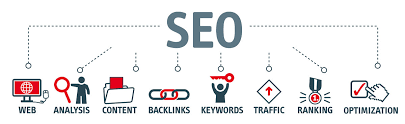
The Importance of SEO and Website Optimization
Search Engine Optimization (SEO) and website optimization are crucial factors in ensuring the success of any online business. In today’s digital age, where competition is fierce and attention spans are short, having a well-optimized website that ranks high in search engine results can make all the difference.
SEO involves various strategies and techniques that aim to improve a website’s visibility on search engines like Google, Bing, and Yahoo. By optimizing your website for relevant keywords, creating high-quality content, improving site speed, and building quality backlinks, you can increase your chances of ranking higher in search results.
Website optimization goes hand in hand with SEO and focuses on improving user experience and conversion rates. A well-optimized website not only attracts more visitors but also keeps them engaged and encourages them to take action, whether it’s making a purchase, signing up for a newsletter, or contacting the business.
When done correctly, SEO and website optimization can have a significant impact on your online presence and bottom line. They can help drive organic traffic to your site, increase brand visibility, generate leads, boost sales, and establish your business as an authority in your industry.
It’s essential for businesses to invest time and resources into SEO and website optimization to stay ahead of the competition and reach their target audience effectively. By continuously monitoring performance metrics, testing different strategies, and adapting to algorithm changes, businesses can ensure their online success in the long run.
In conclusion, SEO and website optimization are vital components of any successful online marketing strategy. By implementing best practices and staying up-to-date with industry trends, businesses can enhance their online visibility, attract more visitors, improve user experience, and ultimately achieve their business goals.
9 Essential Tips for Enhancing SEO and Website Optimisation
- Use relevant keywords in your content to improve search engine ranking.
- Optimise website loading speed for better user experience and SEO.
- Ensure your website is mobile-friendly to cater to all users.
- Create high-quality, original content that provides value to visitors.
- Utilise meta tags effectively, including title tags and meta descriptions.
- Build a strong backlink profile by acquiring links from reputable sites.
- Implement structured data markup to enhance search visibility with rich snippets.
- Regularly update and audit your website content for accuracy and relevance.
- Monitor analytics to understand user behaviour and adjust strategies accordingly.
Use relevant keywords in your content to improve search engine ranking.
Using relevant keywords in your content is a fundamental tip for improving search engine ranking through SEO and website optimization. By strategically incorporating keywords that align with your business, products, or services, you signal to search engines the relevance of your content to users’ search queries. This not only helps boost your website’s visibility in search results but also enhances the user experience by providing valuable and targeted information. Remember to use keywords naturally within your content to maintain readability and engage both search engines and human visitors effectively.
Optimise website loading speed for better user experience and SEO.
Optimising website loading speed is a crucial tip for improving user experience and enhancing SEO performance. A fast-loading website not only keeps visitors engaged and satisfied but also contributes to higher search engine rankings. By reducing loading times through techniques such as image optimisation, minifying CSS and JavaScript files, and leveraging browser caching, businesses can provide a seamless browsing experience for users while signalling to search engines that their site is efficient and user-friendly. Prioritising website loading speed is a simple yet effective way to boost both user satisfaction and SEO success.
Ensure your website is mobile-friendly to cater to all users.
Ensuring that your website is mobile-friendly is a crucial tip for effective SEO and website optimization. With the increasing use of mobile devices to access the internet, having a responsive design that adapts to different screen sizes is essential to cater to all users. A mobile-friendly website not only provides a better user experience but also contributes to higher search engine rankings, as search engines like Google prioritize mobile-friendly sites in their results. By prioritizing mobile-friendliness, businesses can reach a wider audience, improve engagement, and ultimately drive more traffic and conversions on their website.
Create high-quality, original content that provides value to visitors.
Creating high-quality, original content that offers real value to visitors is a fundamental tip for effective SEO and website optimization. By producing content that is informative, engaging, and relevant to your target audience, you not only enhance your website’s credibility and authority but also increase the likelihood of attracting and retaining visitors. Quality content not only helps improve your search engine rankings but also encourages users to spend more time on your site, interact with your brand, and potentially convert into customers. Ultimately, prioritising valuable content creation is key to building a strong online presence and driving success in the competitive digital landscape.
Utilise meta tags effectively, including title tags and meta descriptions.
Utilising meta tags effectively, such as title tags and meta descriptions, is a crucial tip for SEO and website optimization. Title tags play a significant role in telling search engines and users what a webpage is about, influencing click-through rates and search rankings. Meta descriptions provide a brief summary of the page’s content, enticing users to click on the link in search results. By crafting compelling and relevant meta tags that accurately reflect the page content, businesses can improve their visibility in search engine results and attract more organic traffic to their website.
Build a strong backlink profile by acquiring links from reputable sites.
Building a strong backlink profile is a crucial aspect of SEO and website optimization. Acquiring links from reputable sites can significantly improve a website’s authority and credibility in the eyes of search engines. By earning backlinks from high-quality and relevant websites, businesses can enhance their online visibility, increase organic traffic, and boost their search engine rankings. It is essential to focus on quality over quantity when it comes to backlinks, as links from reputable sites carry more weight and can have a greater impact on a website’s overall performance.
Implement structured data markup to enhance search visibility with rich snippets.
Implementing structured data markup is a powerful tip for enhancing search visibility with rich snippets. By incorporating structured data into your website, you can provide search engines with valuable information about your content, enabling them to display enhanced search results that stand out to users. Rich snippets not only make your listings more visually appealing but also increase the likelihood of attracting clicks from potential visitors. This strategic approach to SEO and website optimization can significantly improve your site’s performance in search engine results pages, ultimately driving more organic traffic and boosting your online presence.
Regularly update and audit your website content for accuracy and relevance.
Regularly updating and auditing your website content for accuracy and relevance is a crucial tip for effective SEO and website optimization. By keeping your content up-to-date with the latest information, trends, and industry developments, you can enhance your site’s credibility, user experience, and search engine rankings. Auditing your content also allows you to identify any outdated or irrelevant information that may be negatively impacting your site’s performance. By maintaining fresh and relevant content, you can attract more visitors, keep them engaged, and improve your chances of converting leads into customers.
Monitor analytics to understand user behaviour and adjust strategies accordingly.
Monitoring analytics to understand user behaviour is a crucial aspect of SEO and website optimization. By analysing data such as website traffic, user engagement, bounce rates, and conversion rates, businesses can gain valuable insights into how visitors interact with their site. This information allows them to identify strengths and weaknesses in their current strategies and make informed decisions on how to improve user experience and overall performance. Adjusting strategies based on analytics not only helps in attracting more traffic but also in converting visitors into customers, ultimately leading to a more successful online presence.