
The Dominance of Google in Paid Search Marketing
When it comes to paid search marketing, one name stands out above the rest – Google. With its powerful advertising platform, Google Ads, the tech giant has established itself as the driving force behind paid search marketing.
Google’s dominance in this space is undeniable. The vast majority of online searches are conducted on Google, giving advertisers unparalleled access to a massive audience. This reach, combined with Google’s sophisticated targeting options and robust analytics tools, makes it the go-to platform for businesses looking to promote their products or services through paid search.
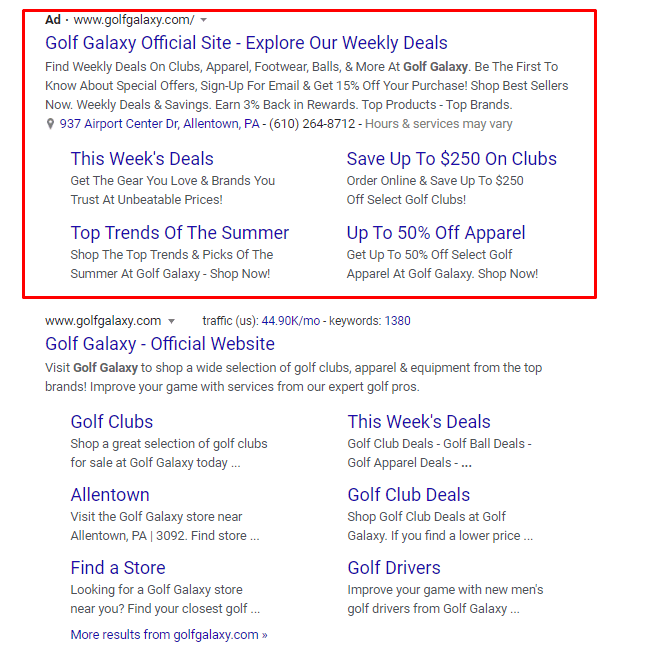
Google Ads allows advertisers to create highly targeted campaigns that appear at the top of search results pages, making it easy for potential customers to find them. Advertisers can set specific keywords, demographics, locations, and even times of day for their ads to appear, ensuring they reach the right audience at the right time.
Furthermore, Google’s pay-per-click (PPC) model means that advertisers only pay when someone clicks on their ad, making it a cost-effective way to drive traffic to their websites and generate leads or sales. The platform also provides detailed analytics and reporting tools that allow advertisers to track the performance of their campaigns in real-time and make adjustments as needed.
While other search engines like Bing and Yahoo offer paid search advertising options, they simply cannot compete with Google’s reach and sophistication. For businesses looking to maximise their online visibility and drive targeted traffic to their websites, investing in Google Ads is often a no-brainer.
In conclusion, paid search marketing is indeed largely driven by Google due to its unparalleled reach, advanced targeting capabilities, cost-effectiveness, and robust analytics tools. As long as Google continues to innovate and refine its advertising platform, businesses will continue to rely on it as a key component of their digital marketing strategies.
7 Advantages of Google-Driven Paid Search Marketing
- 1. Unparalleled reach
- 2. Advanced targeting options
- 3. Cost-effective
- 4. Real-time analytics
- 5. Top ad placement
- 6. Continuous innovation
- 7. Trusted platform
Challenges of Google’s Dominance in Paid Search Marketing: Rising Costs, Policy Dependence, and Platform Reliance
- Limited competition may lead to higher advertising costs for businesses.
- Dependence on Google’s policies and algorithm changes can impact campaign performance.
- Potential risk of over-reliance on a single platform for marketing efforts, leaving businesses vulnerable to any disruptions or changes by Google.
1. Unparalleled reach
Google’s unparalleled reach in search engine dominance offers businesses a significant advantage in paid search marketing. By leveraging Google’s extensive user base, advertisers can ensure that their ads reach a vast and diverse audience. With billions of searches conducted on Google every day, businesses have the opportunity to connect with potential customers at a scale unmatched by other platforms. This broad reach allows businesses to increase brand awareness, drive website traffic, and ultimately boost sales through targeted advertising campaigns on Google’s platform.
2. Advanced targeting options
One significant advantage of paid search marketing driven by Google is its advanced targeting options. Through Google Ads, advertisers can leverage precise targeting based on specific keywords, demographics, locations, and more. This level of granularity enables businesses to tailor their campaigns to reach the most relevant audience for their products or services, increasing the likelihood of attracting potential customers who are actively searching for what they offer. By utilising these advanced targeting capabilities, businesses can maximise the efficiency and effectiveness of their paid search campaigns on Google’s platform.
3. Cost-effective
One significant advantage of paid search marketing, particularly when driven by Google, is its cost-effectiveness. The pay-per-click model employed by Google Ads means that advertisers are charged only when a user clicks on their ad. This ensures that businesses are not wasting their advertising budget on impressions that do not result in engagement. By only paying for actual clicks, companies can maximise the efficiency of their marketing spend and achieve a higher return on investment.
4. Real-time analytics
One significant advantage of paid search marketing, particularly when driven by Google, is the availability of real-time analytics. Google Ads provides detailed reporting tools that offer valuable insights into campaign performance. By tracking key metrics such as click-through rates, conversion rates, and cost per click in real-time, advertisers can make informed, data-driven decisions to optimize their campaigns for better results. This ability to monitor and analyse campaign performance on the go allows businesses to adapt quickly and effectively to maximise the impact of their paid search efforts.
5. Top ad placement
One significant advantage of paid search marketing driven by Google is the top ad placement feature. Through Google Ads, advertisers have the opportunity to showcase their ads prominently at the top of search results pages. This prime positioning significantly boosts visibility and enhances click-through rates as users are more likely to notice and engage with ads that appear first in their search results. By securing a top ad placement, businesses can effectively capture the attention of their target audience and drive valuable traffic to their websites, ultimately leading to increased brand awareness and potential conversions.
6. Continuous innovation
One significant advantage of paid search marketing being predominantly driven by Google is the continuous innovation that the tech giant brings to its advertising platform. Google consistently updates and enhances its advertising tools with new features and improvements, allowing advertisers to stay ahead of the curve and leverage the latest technologies to reach their target audience effectively. This commitment to innovation ensures that businesses using Google Ads have access to cutting-edge solutions that can help them achieve their marketing goals more efficiently and stay competitive in the ever-evolving digital landscape.
7. Trusted platform
Google’s reputation as a trusted and effective advertising platform is a significant pro of paid search marketing being entirely driven by Google. Businesses have confidence in investing in paid search marketing on Google due to its established track record of delivering results and reaching a vast audience. Knowing that their ads will be displayed on a platform with a strong reputation for reliability and effectiveness gives businesses peace of mind and reinforces their decision to allocate resources towards paid search marketing efforts on Google.
Limited competition may lead to higher advertising costs for businesses.
One significant drawback of paid search marketing being predominantly driven by Google is the limited competition in the online advertising space. With Google’s dominant position, businesses may find themselves facing fewer alternatives for advertising platforms, resulting in reduced competition. This lack of competition can lead to higher advertising costs for businesses, as they may have less bargaining power and fewer options to choose from when it comes to reaching their target audience effectively. Consequently, businesses may need to allocate a larger portion of their marketing budget to Google Ads, potentially impacting their overall profitability and return on investment in the long run.
Dependence on Google’s policies and algorithm changes can impact campaign performance.
Dependence on Google’s policies and algorithm changes can significantly impact the performance of paid search marketing campaigns. As Google frequently updates its algorithms and policies, advertisers may find themselves having to constantly adjust their strategies to remain compliant and maintain campaign effectiveness. Sudden algorithm changes can lead to fluctuations in ad visibility, keyword rankings, and overall campaign performance, making it challenging for businesses to achieve consistent results. This reliance on Google’s ever-evolving landscape underscores the importance of staying informed, adaptable, and diversifying marketing efforts beyond just one platform to mitigate the risks associated with such dependencies.
Potential risk of over-reliance on a single platform for marketing efforts, leaving businesses vulnerable to any disruptions or changes by Google.
One significant con of paid search marketing being entirely driven by Google is the potential risk of over-reliance on a single platform for marketing efforts. By heavily depending on Google for advertising, businesses expose themselves to vulnerability in case of any disruptions or changes made by Google to its algorithms or policies. This over-reliance can lead to a sudden drop in visibility and traffic, impacting businesses’ online presence and revenue streams. Diversifying marketing strategies across multiple platforms can help mitigate this risk and ensure a more stable and sustainable marketing approach.