
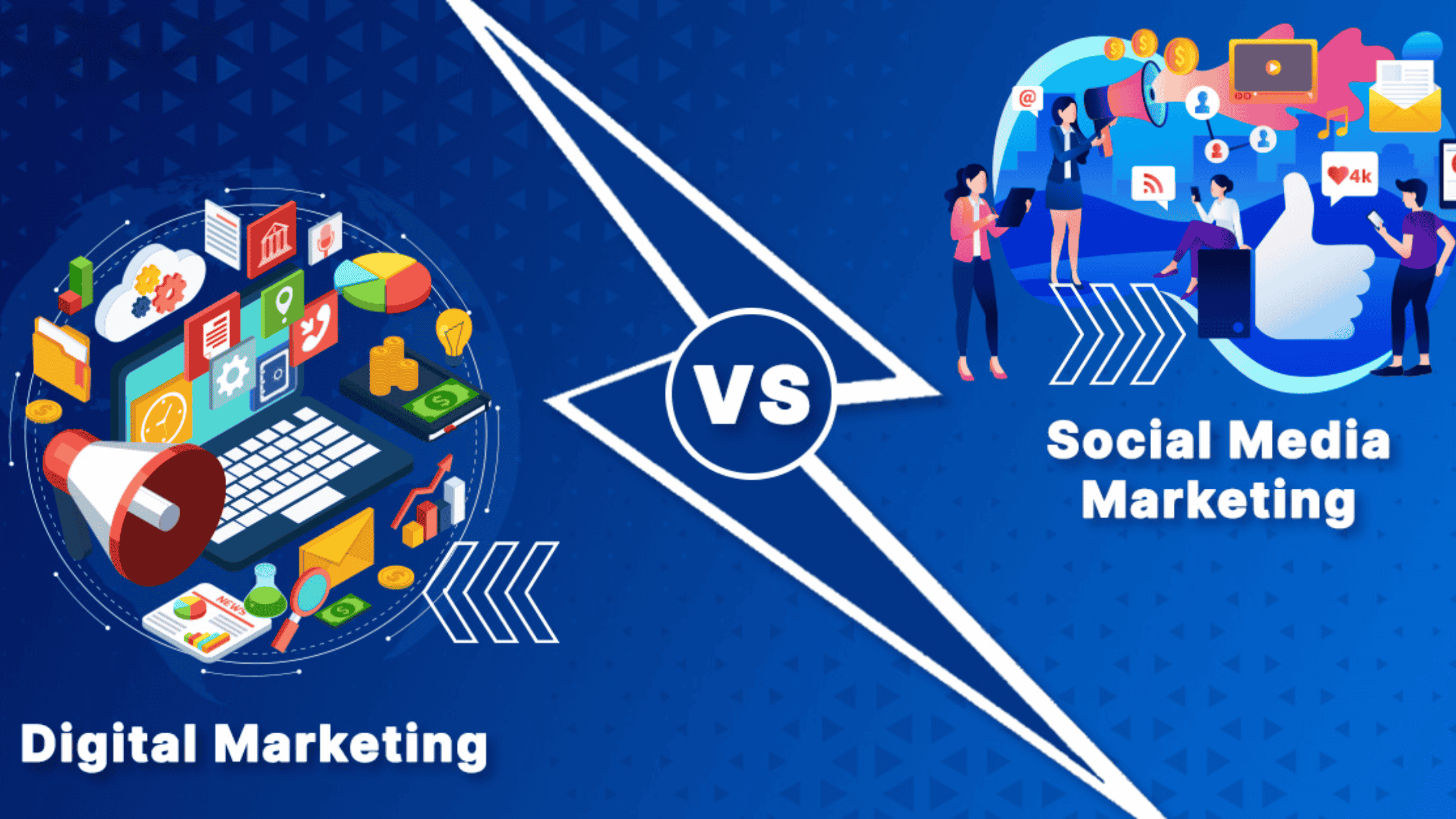
In today’s fast-paced and interconnected world, digital media and marketing have become essential tools for businesses to reach and engage with their target audiences. Digital media refers to any form of media that is stored, transmitted, or accessed digitally, such as websites, social media platforms, email, and mobile apps. On the other hand, digital marketing encompasses the strategies and techniques used by businesses to promote their products or services through digital channels.
One of the key advantages of digital media and marketing is its ability to reach a global audience quickly and cost-effectively. With the rise of social media platforms like Facebook, Instagram, Twitter, and LinkedIn, businesses can now connect with potential customers from all corners of the world in real time. This level of reach and engagement was unimaginable with traditional forms of marketing.
Furthermore, digital marketing allows businesses to target their messages more effectively based on factors such as demographics, interests, and online behaviour. This targeted approach not only increases the chances of reaching the right audience but also improves conversion rates and return on investment.
Another benefit of digital media and marketing is the ability to track and measure performance accurately. Through analytics tools provided by platforms like Google Analytics and social media insights, businesses can monitor the effectiveness of their campaigns in real time. This data-driven approach enables businesses to make informed decisions about their marketing strategies and optimize them for better results.
However, with great power comes great responsibility. The fast-evolving nature of digital media and marketing means that businesses need to stay updated with the latest trends and technologies to remain competitive. Moreover, they must also adhere to data protection regulations such as GDPR to ensure customer privacy and trust.
In conclusion, digital media and marketing have revolutionized the way businesses connect with their audiences in today’s digital age. By leveraging these powerful tools effectively, businesses can expand their reach, increase brand awareness, drive sales growth, and ultimately achieve success in a highly competitive marketplace.
9 Essential Tips for Mastering Digital Media and Marketing
- Understand your audience to tailor content effectively.
- Utilise social media analytics for data-driven decisions.
- Focus on creating engaging and shareable content.
- Leverage SEO best practices to improve online visibility.
- Experiment with different types of digital ads for better reach.
- Maintain a consistent brand voice across all platforms.
- Use email marketing to nurture customer relationships.
- Monitor competitors to stay ahead in the market.
- Invest in mobile optimisation for an improved user experience.
Understand your audience to tailor content effectively.
To excel in digital media and marketing, it is crucial to understand your audience thoroughly in order to tailor content effectively. By gaining insights into the demographics, preferences, behaviours, and needs of your target audience, you can create content that resonates with them on a deeper level. This personalised approach not only enhances engagement but also increases the likelihood of driving conversions and building long-lasting relationships with your audience. Remember, the key to successful digital media and marketing lies in delivering content that speaks directly to the hearts and minds of your audience.
Utilise social media analytics for data-driven decisions.
Utilising social media analytics for data-driven decisions is a crucial tip in digital media and marketing. By leveraging the insights provided by social media platforms, businesses can gain a deeper understanding of their audience’s behaviour, preferences, and engagement levels. This data-driven approach enables businesses to make informed decisions about their content strategy, ad targeting, and overall marketing efforts. By analysing key metrics such as reach, engagement, click-through rates, and conversion rates, businesses can optimise their campaigns for better performance and ROI. Ultimately, utilising social media analytics empowers businesses to create more targeted and effective marketing strategies that resonate with their audience and drive results.
Focus on creating engaging and shareable content.
To succeed in digital media and marketing, it is crucial to focus on creating engaging and shareable content. By producing content that resonates with your target audience, you can capture their attention and encourage them to interact with your brand. Engaging content not only helps build a loyal following but also increases the likelihood of your content being shared across various digital platforms, expanding your reach and visibility. Remember, quality content that adds value to your audience’s lives is more likely to be shared, liked, and commented on, leading to increased brand awareness and ultimately driving business growth.
Leverage SEO best practices to improve online visibility.
To enhance online visibility, it is crucial to leverage SEO best practices in digital media and marketing. By implementing effective SEO strategies such as keyword research, on-page optimization, quality content creation, and backlink building, businesses can improve their search engine rankings and attract more organic traffic to their websites. Optimizing for search engines not only increases online visibility but also enhances brand credibility and trust among the target audience. Embracing SEO best practices is essential for businesses looking to establish a strong online presence and stay ahead in today’s competitive digital landscape.
Experiment with different types of digital ads for better reach.
To enhance reach and engagement in digital media and marketing, it is advisable to experiment with various types of digital ads. By diversifying the types of ads used, such as display ads, social media ads, search engine marketing, or video ads, businesses can tap into different audience segments and platforms to maximise their visibility and impact. This approach not only helps in reaching a broader audience but also allows businesses to identify the most effective ad formats for their specific goals and target demographics. Continuous experimentation with different types of digital ads can lead to valuable insights that drive better reach and ultimately improve overall marketing performance.
Maintain a consistent brand voice across all platforms.
It is crucial for businesses to maintain a consistent brand voice across all digital media platforms. By ensuring that the tone, messaging, and values of the brand remain uniform across channels such as social media, websites, email campaigns, and advertisements, businesses can build a strong and recognisable brand identity. Consistency in brand voice helps to establish trust with customers, reinforces brand messaging, and creates a cohesive brand experience that resonates with the target audience. Ultimately, maintaining a consistent brand voice across all platforms is key to building brand loyalty and driving long-term success in digital marketing efforts.
Use email marketing to nurture customer relationships.
Utilizing email marketing is a valuable strategy in digital media and marketing to cultivate and strengthen customer relationships. By sending targeted and personalized emails to customers, businesses can provide relevant content, promotions, and updates that resonate with their audience. This consistent communication helps in building trust, loyalty, and engagement with customers over time. Through email marketing, businesses can nurture leads, drive repeat purchases, and ultimately foster long-term relationships with their customer base.
Monitor competitors to stay ahead in the market.
To stay ahead in the market in the realm of digital media and marketing, it is crucial to monitor competitors closely. By keeping a watchful eye on what strategies and tactics competitors are employing, businesses can gain valuable insights into industry trends, consumer preferences, and emerging opportunities. This competitive intelligence allows companies to adapt their own digital marketing efforts effectively, identify gaps in the market, and differentiate themselves from rivals. Ultimately, monitoring competitors in the digital landscape enables businesses to stay agile, innovative, and one step ahead in a rapidly evolving market environment.
Invest in mobile optimisation for an improved user experience.
Investing in mobile optimisation is crucial for businesses looking to enhance their digital media and marketing efforts. With the increasing use of smartphones and tablets, ensuring that your website and digital content are optimised for mobile devices is essential to provide users with a seamless and user-friendly experience. A mobile-optimised website not only improves user experience but also boosts search engine rankings, as search engines like Google prioritise mobile-friendly sites in their results. By investing in mobile optimisation, businesses can reach a wider audience, increase engagement, and ultimately drive conversions for their products or services.