
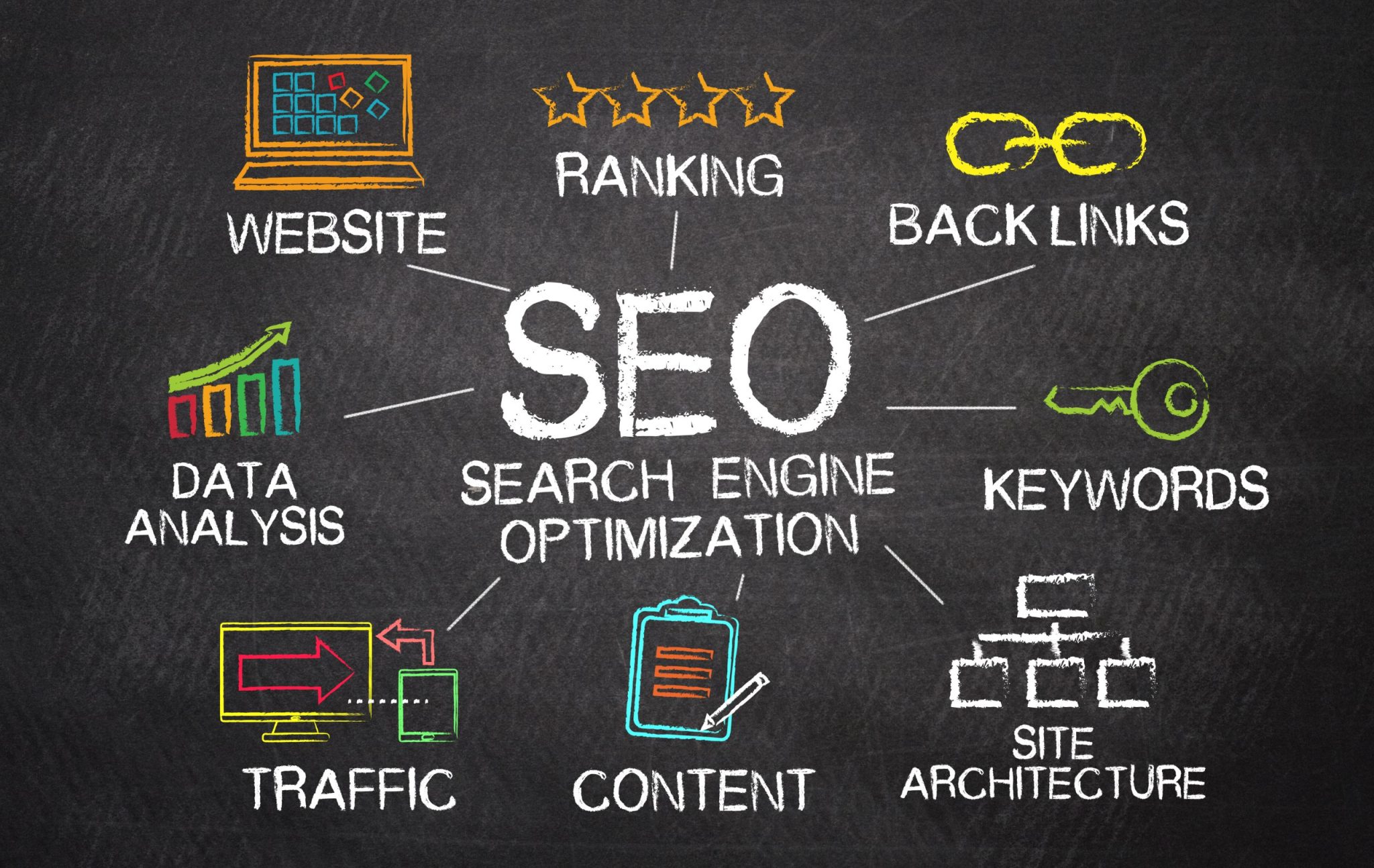
Search Engine Services: A Guide to Growing Your Online Visibility
Search engines are often the starting point for people looking for products, services and information online. Search engine services help businesses become more visible in search results, attract relevant visitors and make it easier for potential customers to find what they need.
These services range from improving a website’s unpaid, or organic, rankings to managing paid advertising campaigns. The right approach depends on a business’s goals, audience, competition and budget.
What are search engine services?
Search engine services are professional activities designed to help a website perform more effectively in search engines such as Google and Bing. They commonly include search engine optimisation (SEO), paid search advertising, local search support, content planning and performance analysis.
Some businesses use one service, such as technical SEO, to address a specific issue. Others take a broader approach that combines organic and paid strategies.
Search engine optimisation (SEO)
SEO aims to improve a website’s visibility in unpaid search results. It involves making a site useful to visitors and easier for search engines to discover, understand and index. SEO is an ongoing process: results can take time, and rankings may change as competitors, search behaviour and search engine systems evolve.
Technical SEO
Technical SEO focuses on how well a website functions behind the scenes. Work may include improving page speed, making the site mobile-friendly, fixing broken links, reviewing redirects and ensuring important pages can be crawled and indexed. A clear site structure can also help visitors and search engines navigate the content.
Content and on-page SEO
Content and on-page SEO help ensure that a page is relevant to the questions people are searching for. This can involve researching search terms, improving page titles and headings, writing useful copy and organising information clearly. Quality matters: content should answer genuine visitor needs rather than simply repeat keywords.
Local SEO
Local SEO supports businesses that serve customers in particular areas. It may include improving a business’s online listings, keeping contact details consistent, creating location-specific website pages and encouraging genuine customer reviews. Accurate information helps people understand where a business operates and how to contact it.
Paid search advertising
Paid search places advertisements in search results, usually through an auction-based advertising platform. Businesses can target particular search terms, locations, audiences or times, and typically pay when someone clicks an advert.
Paid campaigns can provide visibility more quickly than organic SEO, but they require careful planning and ongoing management. Effective work includes choosing suitable keywords, writing relevant adverts, setting budgets, creating useful landing pages and measuring conversions. Advertising spend and service fees should be considered separately when assessing costs.
How SEO and paid search work together
SEO and paid search have different strengths. SEO can build lasting visibility over time, while paid search can help a business reach people quickly for selected searches. Data from advertising campaigns may also offer insights into which search terms attract relevant visitors.
Using both approaches can broaden a business’s presence in search results. However, a combined strategy is not essential for every organisation. The best choice depends on its objectives, resources and the behaviour of its customers.
Measuring performance
Search engine services should be assessed against meaningful business goals, not rankings alone. Useful measures may include relevant website visits, enquiries, sales, conversion rates and the cost of acquiring a customer. Analytics can show which pages and campaigns are performing well and where improvements may be needed.
Clear reporting should explain what work has been completed, what the results indicate and what the next steps are. Search performance can fluctuate, so it is important to consider trends over an appropriate period rather than judging progress on a single day.
Choosing a search engine services provider
When comparing providers, look for a clear explanation of the proposed work and how it relates to your goals. A trustworthy provider should be transparent about costs, reporting and expected timescales, and should avoid promising guaranteed rankings. No provider can guarantee a particular position in organic search results.
Ask who will carry out the work, how progress will be measured and whether you will retain access to your website, analytics and advertising accounts. It is also sensible to check relevant experience and request examples of previous work where available.
Building a sustainable search strategy
Effective search engine services start with understanding an audience and giving that audience helpful, relevant information. Technical improvements, well-planned content, local visibility and carefully managed advertising can all contribute to better search performance.
With realistic goals, regular measurement and a focus on the needs of visitors, businesses can use search engine services to strengthen their online presence and create more opportunities to connect with potential customers.
Essential FAQs on SEO and Search Engine Services
- How much is SEO per month?
- Is SEO being phased out?
- What are the 3 types of search engines?
- What are the 4 types of SEO?
- How much does SEO cost?
- What is an example of SEO?
- What are the 5 most commonly used search engines?
- What is search engine marketing services?
- What is the best SEO service provider?
How much is SEO per month?
SEO costs vary depending on your website, industry, competition and the amount of work required. In the UK, monthly fees can range from a few hundred pounds for limited support to several thousand pounds for a comprehensive campaign. The price may cover activities such as technical improvements, content creation, keyword research and performance reporting. Ask providers for a clear breakdown of their services, fees and expected timescales, and be cautious of guarantees of specific rankings.
Is SEO being phased out?
No, SEO is not being phased out, but it is changing as search engines evolve and introduce features such as AI-generated summaries and more conversational results. The fundamentals still matter: creating helpful, trustworthy content, ensuring your website works well on mobile devices, and making information easy for search engines and visitors to understand. Businesses may need to adapt how they measure visibility and attract visitors, but SEO remains a valuable way to help people discover relevant websites through search.
What are the 3 types of search engines?
The three commonly recognised types of search engines are crawler-based, human-powered directories and hybrid search engines. Crawler-based engines use automated programmes to discover and index web pages, then rank them in response to searches. Human-powered directories organise websites into categories based on information reviewed by people. Hybrid search engines combine automated indexing with human input or curated results. These categories describe how search services gather and organise information; many modern search engines use a mix of approaches.
What are the 4 types of SEO?
The four commonly recognised types of SEO are on-page SEO, off-page SEO, technical SEO and local SEO. On-page SEO improves the content and elements on individual pages, such as headings and page titles. Off-page SEO builds a site’s reputation through signals from other websites, including relevant links. Technical SEO focuses on areas such as site speed, mobile usability and crawlability, while local SEO helps businesses appear in searches connected to a particular area. These approaches often work together to improve a website’s visibility in search results.
How much does SEO cost?
The cost of SEO varies depending on your website, competition, goals and the amount of work required. Some businesses need a one-off technical review, while others invest in ongoing support covering research, content, website improvements and reporting. Providers may charge a monthly retainer, an hourly rate or a project fee, so ask for a clear breakdown of what is included and how success will be measured. Be cautious of guaranteed rankings or unusually cheap offers, as SEO takes time and results cannot be guaranteed.
What is an example of SEO?
An example of SEO is improving a local plumber’s website so it can appear more prominently when people search for “plumber in Manchester”. This might involve adding a clear page about the services offered in Manchester, using relevant search terms naturally, making the site easy to use on mobile phones and ensuring the business’s contact details are accurate across its online listings. These changes can help search engines understand the website and help potential customers find useful information.
What are the 5 most commonly used search engines?
The five most commonly used search engines worldwide are generally Google, Bing, Yahoo!, Baidu and Yandex. Google leads in many countries, while Bing is widely used and also powers search features in some other services. Yahoo! search is supported by partner technology in several markets, whereas Baidu is especially popular in China and Yandex in Russia and neighbouring regions. Their popularity varies by country and can change over time.
What is search engine marketing services?
Search engine marketing services help businesses increase their visibility in search engine results and attract relevant visitors to their websites. They may include search engine optimisation (SEO), which improves unpaid rankings over time, and paid search advertising, which places adverts alongside search results. Depending on a business’s goals, services can also cover keyword research, campaign management, landing-page improvements and performance reporting.
What is the best SEO service provider?
The best SEO service provider is one that understands your business, audience and goals, then offers a clear strategy tailored to your needs. Look for transparent pricing, regular reporting, ethical SEO practices and realistic expectations—no provider can guarantee a specific search ranking. Before choosing, ask how progress will be measured, what work is included and whether you retain access to your website and analytics accounts.