
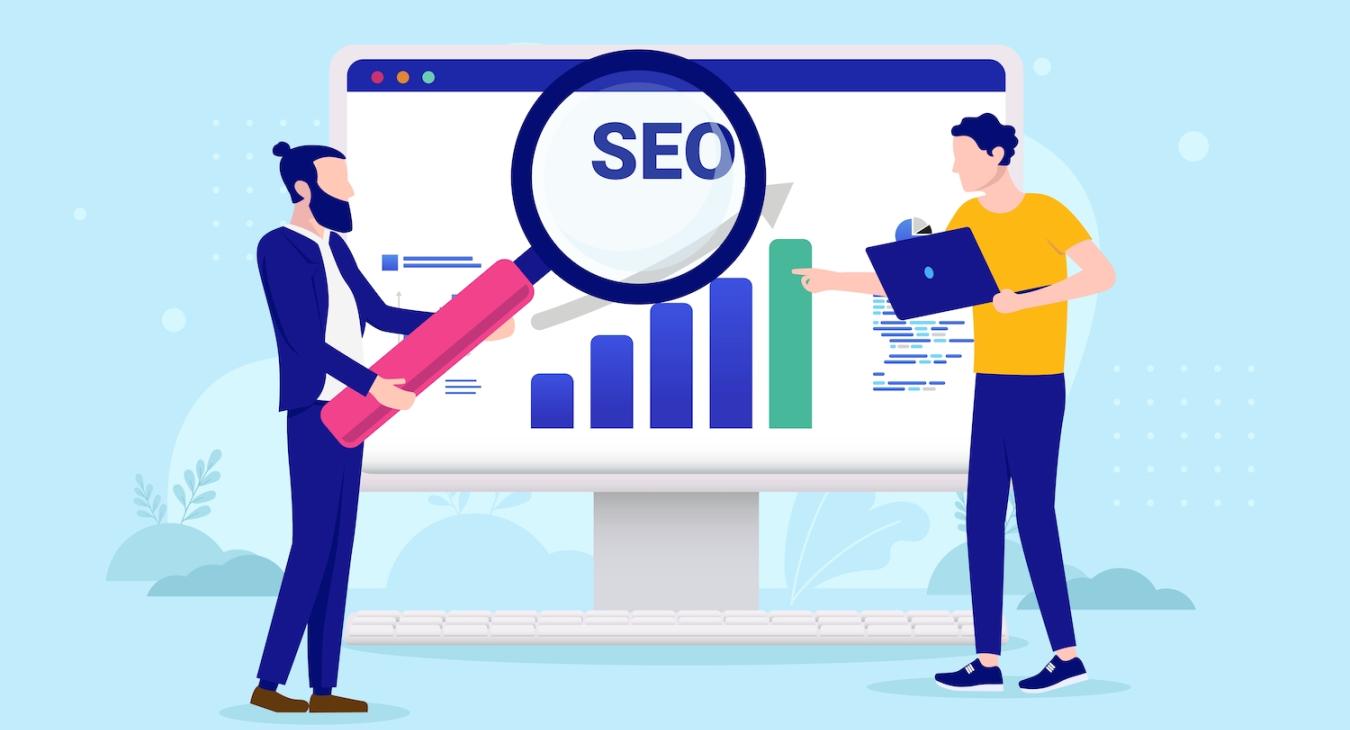
SEO Solutions: A Practical Guide to Growing Your Online Visibility
An effective SEO solution helps people find your website when they search online for products, services or information you offer. It brings together technical improvements, useful content and strategies for earning trust and visibility in search results. Rather than relying on quick fixes, good SEO focuses on making a website easier to find, understand and use.
What Is an SEO Solution?
An SEO solution is a planned approach to improving a website’s organic search performance. It may include reviewing the site, researching relevant search terms, improving pages, fixing technical issues and measuring results over time. The right approach depends on a business’s goals, audience, website and level of competition.
SEO is not a one-off task. Search trends, competitors and search engine systems change, so an effective solution should be reviewed and refined regularly.
Key Parts of an Effective SEO Strategy
SEO Audit and Technical Health
A website audit can reveal issues that make it difficult for search engines to crawl, index or understand a site. Common areas to check include page loading speed, mobile usability, broken links, duplicate content, redirects and site structure. Fixing these problems can also make the website more straightforward for visitors to use.
Keyword and Search Intent Research
Keyword research helps identify the words and phrases people use when looking for relevant information or services. It is important to consider the purpose behind a search as well as its wording. Someone comparing options may need a different page from someone ready to make a purchase.
Understanding search intent helps businesses create pages that answer the right questions at the right stage of a customer’s decision-making process.
Useful, Well-Structured Content
High-quality content should be accurate, original and genuinely helpful to its intended audience. Product and service pages, guides, FAQs and articles can all support an SEO strategy when they address real needs clearly.
Use descriptive headings, concise paragraphs and natural language to make content easier to scan. Search terms should fit naturally; repeating them excessively can make a page harder to read and does not guarantee better rankings.
On-Page Optimisation
On-page SEO involves improving individual pages so their topic and purpose are clear. This can include refining page titles, headings, meta descriptions, image descriptions and internal links. Each page should have a clear focus and provide a useful next step for the visitor.
Authority and Reputation
Search engines consider a range of signals when assessing a website’s credibility and relevance. Earning links from reputable, relevant websites can help strengthen a site’s authority. Other useful steps include maintaining accurate business information, gathering genuine customer reviews and publishing content that others may find worth referencing.
Links and reviews should be earned honestly. Buying links or using misleading tactics can put a website’s reputation and search visibility at risk.
Measurement and Ongoing Improvement
SEO performance should be assessed using meaningful measures, such as relevant organic visits, enquiries, sales and visibility for important searches. Rankings alone do not show whether a campaign is helping the business achieve its goals.
Regular reporting can show what is working, where visitors may be encountering problems and which improvements to prioritise next.
How to Choose an SEO Provider
If you are considering professional support, look for a provider that explains its methods clearly and takes time to understand your business. A trustworthy SEO provider should:
- Set realistic expectations and avoid promising guaranteed rankings.
- Explain the work being carried out and how progress will be measured.
- Focus on sustainable practices rather than shortcuts.
- Provide clear reporting linked to your business objectives.
- Make sure you retain access to your website and relevant accounts.
How Long Does SEO Take?
SEO results usually take time. The timeframe depends on factors such as the website’s current condition, the competitiveness of the market, the quality of the content and the resources available for implementation. Some technical improvements may have an earlier effect, while building visibility and authority can take longer.
A sensible SEO solution sets priorities, makes consistent improvements and reviews results over time. It should support the wider business strategy, not just aim to attract more visitors.
Conclusion
A strong SEO solution combines technical care, relevant content, a clear understanding of search intent and ongoing measurement. By focusing on both search engines and the people using your website, businesses can build a more useful online presence and create better opportunities for long-term growth.
Understanding SEO Solutions: Answers to 9 Common Questions for UK Businesses
- What is an SEO solution?
- How can an SEO solution help my business?
- What services are included in an SEO solution?
- How long does it take to see results from SEO?
- How much does an SEO solution cost in the UK?
- Can an SEO solution help a small business compete online?
- What is the difference between SEO and paid advertising?
- How do I choose the right SEO provider?
- How can I measure whether my SEO solution is working?
What is an SEO solution?
An SEO solution is a planned set of actions designed to improve a website’s visibility in unpaid search results. It may include technical improvements, keyword research, helpful content, on-page optimisation and performance tracking, tailored to a business’s goals and audience. Because search trends and website performance change over time, SEO is an ongoing process rather than a one-off fix.
How can an SEO solution help my business?
An SEO solution can help your business become easier to find in search results when potential customers are looking for the products or services you offer. By improving your website’s content, structure and technical performance, it can attract more relevant visitors, strengthen your online credibility and create more opportunities for enquiries or sales. SEO is a long-term process, so results depend on your goals, competition and the work carried out over time.
What services are included in an SEO solution?
An SEO solution may include a website audit, keyword and search-intent research, technical SEO, on-page optimisation, content planning and creation, link-building, local SEO and performance reporting. The exact services depend on your website, industry and goals, but the aim is to improve your visibility in relevant search results and attract more suitable visitors.
How long does it take to see results from SEO?
SEO usually takes several months to produce noticeable results, although the timeframe varies depending on your website’s current condition, competition, target keywords and the work involved. Technical improvements may have an impact sooner, while building content, authority and sustained organic traffic often takes longer. SEO is an ongoing process, so progress is best measured over time through relevant traffic, enquiries and sales—not rankings alone.
How much does an SEO solution cost in the UK?
The cost of an SEO solution in the UK varies according to your website, business goals, competition and the level of support required. A small business may pay a few hundred pounds per month for ongoing SEO, while larger or more competitive campaigns can cost considerably more. One-off services, such as an SEO audit, are usually priced separately. Before choosing a provider, ask what the fee includes, how results will be measured and whether there are any additional costs. Be cautious of guaranteed rankings or unusually low prices, as effective SEO takes time and should be tailored to your business.
Can an SEO solution help a small business compete online?
Yes, an SEO solution can help a small business compete online by improving its visibility for relevant searches and helping potential customers find its products or services. Focusing on specific services, local areas and the needs of its audience can help a small business reach people without having to compete for every broad search term. SEO takes time and results are not guaranteed, but a consistent, well-targeted approach can support sustainable growth.
What is the difference between SEO and paid advertising?
SEO aims to improve a website’s visibility in unpaid search results through relevant content, technical improvements and other ongoing optimisation. Paid advertising places sponsored listings in search results in exchange for payment, often charging per click or impression. Ads can generate visibility quickly, but typically stop appearing when the budget runs out; SEO usually takes longer to build momentum, but can support lasting organic traffic. Many businesses use both to reach customers in the short and long term.
How do I choose the right SEO provider?
Choose an SEO provider that takes time to understand your business, audience and goals, and explains its strategy in clear, practical terms. Ask how it will measure progress, what work it will carry out and how often it will report results. Look for realistic expectations, transparent pricing and sustainable practices, and be cautious of anyone promising guaranteed rankings or overnight success. Check relevant experience and references, and make sure you retain ownership of your website and access to your accounts.
How can I measure whether my SEO solution is working?
Measure your SEO solution by tracking progress against a clear starting point and business goals. Monitor relevant organic traffic, search visibility and rankings for important terms, but also check whether visitors take valuable actions, such as making an enquiry, booking a service or completing a purchase. Tools such as Google Search Console and website analytics can help you review these metrics over time. SEO results can take time, so assess trends regularly rather than judging success by a short-term change or rankings alone.