
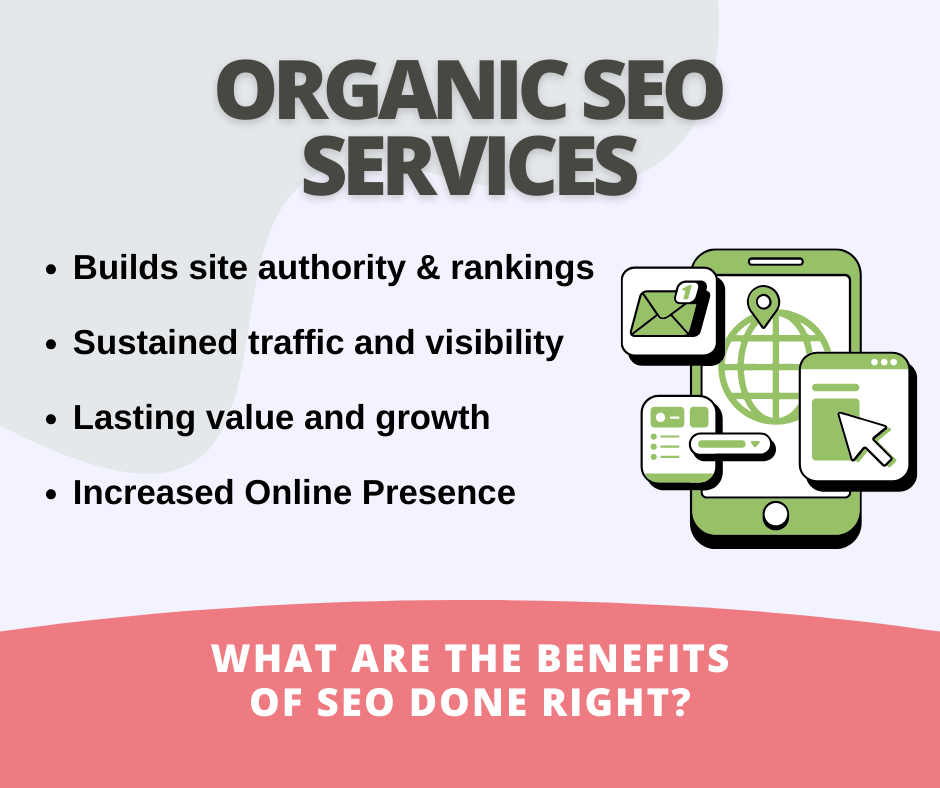
Organic SEO Solutions: A Sustainable Way to Grow Your Online Visibility
Organic search engine optimisation (SEO) helps a website appear more prominently in unpaid search results. Rather than paying for each visit through advertising, organic SEO focuses on making a site useful, accessible and relevant to the people searching for its products, services or information.
Effective SEO is not a quick fix or a single technique. It combines technical improvements, helpful content and a clear understanding of what potential customers need. With a consistent strategy, businesses can build visibility and attract relevant visitors over time.
What do organic SEO solutions include?
Organic SEO solutions are tailored activities that help search engines find, understand and assess a website. They also improve the experience for people who visit it. Common areas of work include:
- SEO audits: Reviewing a website’s technical health, content, structure and search visibility to identify opportunities and issues.
- Keyword and search-intent research: Finding the terms people use and understanding whether they are seeking information, comparing options or ready to take action.
- On-page optimisation: Improving page titles, headings, internal links, image descriptions and other elements so each page communicates its subject clearly.
- Technical SEO: Helping search engines crawl and index a site, while addressing factors such as mobile usability, page speed, site structure and duplicate content.
- Content development: Creating or improving useful pages that answer real questions and reflect the needs of the intended audience.
- Local SEO: Strengthening visibility for location-based searches through accurate business details, local landing pages and a well-maintained business profile.
- Reputation and authority building: Earning relevant, credible mentions and links through valuable content and genuine relationships.
Start with a clear SEO strategy
Good results begin with clear business objectives. A company may want to increase enquiries, sell more products, attract visitors to a local branch or build awareness in a particular market. These goals help determine which pages and search opportunities deserve priority.
Research should consider more than search volume. A popular phrase may be too broad to attract the right audience, while a more specific query could bring fewer visitors who are much closer to making a decision. Understanding search intent helps ensure that a page offers the right information in the right format.
Create content that genuinely helps
Search-focused content should be written for people first. It needs to answer the questions behind a search clearly, accurately and in sufficient detail. That may mean producing service pages, practical guides, product information, comparison articles or frequently asked questions.
Each page should have a distinct purpose. Repeating the same keywords across multiple pages can make a site confusing for visitors and search engines. Instead, organise related information logically, use descriptive headings and link between relevant pages to help people find what they need.
Make the website easy to use
Technical SEO supports both discoverability and usability. A well-organised site, secure connection, mobile-friendly design and fast-loading pages can make it easier for visitors to navigate. Technical checks should also look for broken links, indexing problems, redirect errors and pages that provide little value.
SEO is not only about ranking positions. If visitors arrive but cannot understand the offer or complete the next step, visibility may not translate into business results. Clear navigation, readable content and useful calls to action all contribute to a stronger experience.
Measure progress over time
Organic SEO typically takes time. The pace of progress depends on factors such as competition, the website’s history, the scale of changes and the quality of existing content. No responsible provider can guarantee a specific ranking, but regular measurement can show whether the strategy is moving in the right direction.
Useful measures include organic impressions and clicks, rankings for relevant topics, engagement with key landing pages, enquiries, sales and other conversions. Reviewing these indicators helps identify what is working and where further improvements may be needed.
Choose sustainable SEO practices
Be cautious of approaches that promise instant rankings or rely on manipulative tactics, such as buying links or producing large volumes of low-quality, repetitive content. These methods can put a website’s visibility at risk. Sustainable SEO is based on useful information, sound technical foundations and authentic signals of trust.
Organic SEO solutions work best as an ongoing process: understand the audience, improve the website, publish valuable content and learn from performance data. By taking this practical, user-focused approach, businesses can build a stronger foundation for long-term search visibility.
6 Organic SEO Tips to Improve Your Website’s Visibility
- Research keywords your audience actually uses.
- Create useful, original content for each search intent.
- Improve page titles, headings and meta descriptions.
- Make your website fast and mobile-friendly.
- Earn relevant links through valuable content and outreach.
- Track rankings and traffic, then refine your strategy.
Research keywords your audience actually uses.
Research keywords your audience actually uses by listening to the questions they ask, the language they use and the problems they want to solve. Use keyword research tools alongside customer feedback, search suggestions and website analytics to discover relevant search terms. Consider the intent behind each phrase, not just its popularity: specific searches may attract fewer people, but they can bring visitors who are more likely to need your product or service. Use these insights naturally in useful page titles, headings and content, without forcing keywords where they do not belong.
Create useful, original content for each search intent.
Create useful, original content that matches the intent behind each search. Consider what people want to achieve when they enter a query: they may be looking for a quick answer, comparing products or services, or ready to make a purchase. Give each page a clear purpose and provide accurate, genuinely helpful information in a format that suits the reader. Avoid duplicating content or simply repeating keywords; instead, offer a distinctive perspective and make it easy for visitors to find the next step.
Improve page titles, headings and meta descriptions.
Improve page titles, headings and meta descriptions so each page clearly communicates what it offers and matches the needs behind a search. Use concise, descriptive wording and include relevant search terms naturally, without keyword stuffing. A clear heading structure helps visitors scan the content, while an informative meta description can encourage people to click through from search results. These elements should be accurate, distinctive and written to set the right expectations.
Make your website fast and mobile-friendly.
Make your website fast and mobile-friendly to give visitors a smooth experience wherever they browse. Pages that load quickly and display clearly on smartphones and tablets are easier to use, helping people find information and take action without frustration. Compressing images, limiting unnecessary scripts and choosing a responsive design can improve performance. These changes can also support organic SEO, as search engines consider page experience when assessing websites.
Earn relevant links through valuable content and outreach.
Earn relevant links by creating genuinely useful content that other websites will want to reference, such as original research, practical guides or expert insights. Then reach out thoughtfully to relevant publishers, organisations and industry contacts, explaining why the resource may benefit their audience. Focus on building genuine relationships and earning links naturally, rather than buying links or sending generic requests.
Track rankings and traffic, then refine your strategy.
Regularly tracking your search rankings and organic traffic helps you understand which pages and topics are attracting attention, and where there is room to improve. Look beyond rankings alone: review clicks, visitor behaviour and meaningful outcomes such as enquiries or sales. Use these insights to update underperforming content, strengthen successful pages and explore relevant search opportunities. By reviewing results consistently and refining your strategy, you can focus your SEO efforts where they are most likely to make a difference.