
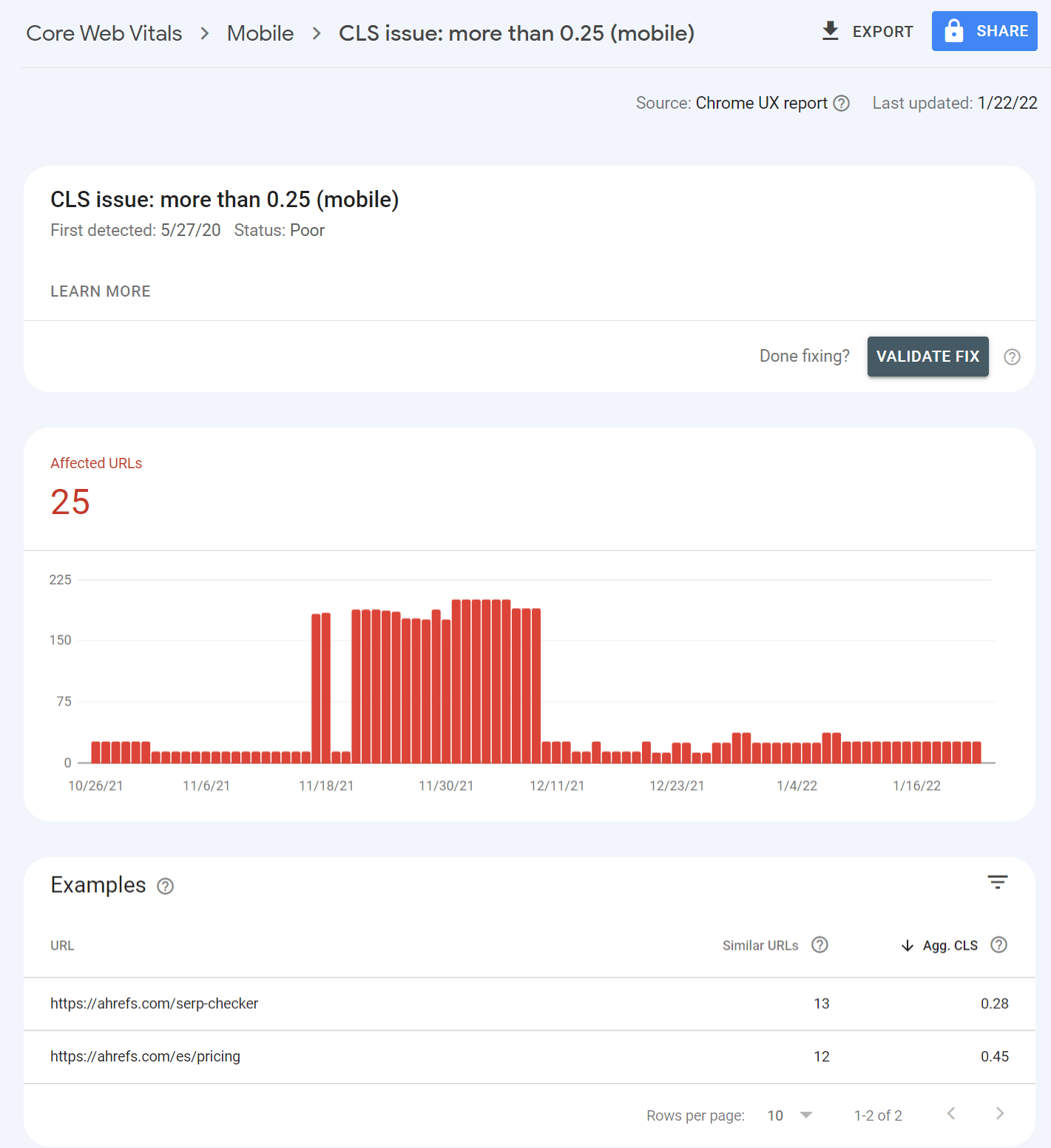
Understanding CLS in SEO
Cumulative Layout Shift (CLS) is an important metric in the field of Search Engine Optimization (SEO) that measures the visual stability of a web page. It refers to the unexpected shifting of page elements during the loading process, which can lead to a poor user experience and affect your website’s ranking on search engines.
Google considers CLS as one of the Core Web Vitals, which are essential for providing a good user experience. A low CLS score indicates that your website is visually stable and provides a seamless browsing experience for visitors.
Factors that contribute to a high CLS score include:
- Images and videos without specified dimensions
- Ads or pop-ups that dynamically load and push content down
- Loading fonts asynchronously
To improve your CLS score and enhance your website’s SEO performance, consider the following best practices:
- Specify image and video dimensions to prevent layout shifts
- Avoid inserting ads above content or using intrusive pop-ups
- Preload fonts to ensure they load before text content
- Optimize CSS delivery to minimize render-blocking resources
By addressing these factors and focusing on enhancing visual stability, you can improve your website’s user experience, reduce bounce rates, and ultimately boost your search engine rankings. Prioritizing CLS in your SEO strategy will not only benefit your users but also contribute to the overall success of your online presence.
Understanding CLS in SEO: Key FAQs and Best Practices for Optimisation
- What is CLS (Cumulative Layout Shift) in SEO?
- Why is CLS important for SEO?
- How does CLS impact user experience on a website?
- What are the common causes of high CLS scores?
- How can I measure and monitor CLS on my website?
- What are some best practices to reduce CLS and improve SEO performance?
- Does Google consider CLS as a ranking factor?
What is CLS (Cumulative Layout Shift) in SEO?
Cumulative Layout Shift (CLS) in SEO refers to the measurement of how stable a web page’s layout is during the loading process. It is a crucial metric that evaluates the visual consistency of a website, particularly focusing on any unexpected shifts in elements that can disrupt user experience. CLS is considered a Core Web Vital by search engines like Google, emphasising its significance in determining a website’s overall performance and user satisfaction. Addressing CLS issues by optimizing page elements can lead to improved user engagement, reduced bounce rates, and enhanced search engine rankings, making it an essential aspect of effective SEO strategies.
Why is CLS important for SEO?
Cumulative Layout Shift (CLS) is crucial for SEO because it directly impacts user experience, which is a key ranking factor for search engines like Google. A high CLS score can lead to a poor user experience as it causes unexpected layout shifts on web pages, resulting in frustration for visitors. Search engines aim to deliver the best possible results to users, and websites with a low CLS score are more likely to provide a seamless browsing experience. By prioritising CLS in SEO efforts, website owners can enhance visual stability, reduce bounce rates, and ultimately improve their search engine rankings by delivering a better user experience.
How does CLS impact user experience on a website?
Cumulative Layout Shift (CLS) significantly impacts user experience on a website by influencing the visual stability of the page during loading. When elements on a webpage unexpectedly shift or move around, it can lead to a frustrating experience for users, causing confusion and making it difficult to interact with the content. High CLS scores can result in users clicking on unintended links or buttons, leading to errors and a lack of trust in the website. By prioritizing a low CLS score through proper design and optimization techniques, website owners can enhance user experience, reduce bounce rates, and improve overall satisfaction for visitors.
What are the common causes of high CLS scores?
High Cumulative Layout Shift (CLS) scores can be attributed to several common causes that impact the visual stability of a web page. Some of the key factors include images and videos without specified dimensions, ads or pop-ups that dynamically load and push content down, and loading fonts asynchronously. These elements can lead to unexpected layout shifts during the page loading process, resulting in a poor user experience. By addressing these common causes through best practices such as specifying image and video dimensions, avoiding intrusive ads or pop-ups, and optimizing font loading, website owners can effectively reduce their CLS scores and improve the overall user experience on their site.
How can I measure and monitor CLS on my website?
To measure and monitor Cumulative Layout Shift (CLS) on your website, you can utilise various tools and techniques. One effective method is to use Google’s PageSpeed Insights, which provides a CLS score along with other Core Web Vitals metrics. Additionally, tools like Lighthouse and Chrome DevTools offer detailed insights into layout stability issues on specific web pages. By regularly analysing these metrics and identifying areas of improvement, you can track the performance of your website’s CLS over time and implement necessary changes to enhance user experience and SEO rankings.
What are some best practices to reduce CLS and improve SEO performance?
When it comes to reducing Cumulative Layout Shift (CLS) and enhancing SEO performance, implementing best practices is crucial. Some effective strategies to minimise CLS and improve SEO include specifying image and video dimensions to prevent layout shifts, avoiding intrusive ads or pop-ups that disrupt content flow, preloading fonts for faster loading times, and optimizing CSS delivery to reduce render-blocking resources. By prioritising these practices, website owners can create a more visually stable and user-friendly experience, ultimately leading to improved search engine rankings and better overall SEO performance.
Does Google consider CLS as a ranking factor?
In the realm of Search Engine Optimization (SEO), a commonly asked question revolves around whether Google considers Cumulative Layout Shift (CLS) as a ranking factor. The answer is yes – Google does view CLS as a crucial ranking factor, especially with the introduction of Core Web Vitals. CLS directly impacts user experience by measuring the visual stability of a webpage during loading. Websites that prioritize minimising layout shifts through proper design and optimisation techniques are more likely to provide a seamless browsing experience, which can positively influence their search engine rankings. Therefore, understanding and addressing CLS is essential for improving both user satisfaction and SEO performance.