
Understanding LCP SEO for Better Website Performance
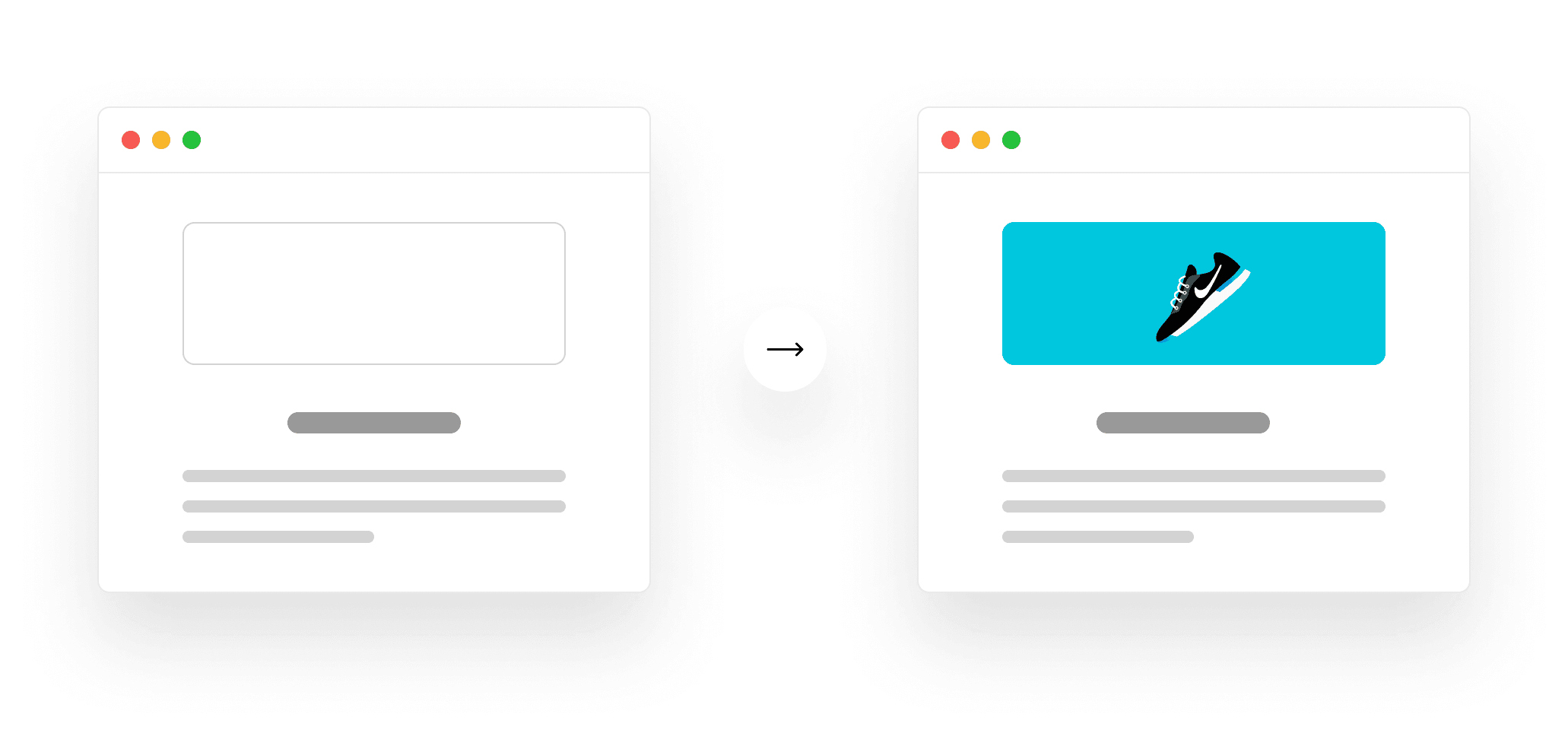
In the world of Search Engine Optimization (SEO), one term that has gained significant importance is LCP, which stands for Largest Contentful Paint. LCP is a key metric used to measure the loading performance of a web page. It specifically focuses on the time it takes for the largest content element on a webpage to become visible to the user.
Why is LCP important for SEO? Well, website loading speed is a crucial factor in determining user experience and search engine rankings. Google, in particular, considers page speed as one of the ranking factors in its algorithm. Websites with faster loading times tend to rank higher in search results.
By optimizing your website for LCP, you can improve user experience, reduce bounce rates, and potentially boost your SEO rankings. Here are some tips to enhance your website’s LCP performance:
- Optimize Images: Compress and resize images to reduce their file size without compromising quality.
- CSS and JavaScript Minification: Minify CSS and JavaScript files to decrease load times.
- Content Delivery Network (CDN): Use a CDN to distribute content across multiple servers geographically closer to users.
- Caching: Implement browser caching to store static resources locally for faster retrieval.
- Avoid Render-blocking Resources: Optimize CSS and JavaScript loading to prevent delays in rendering critical content.
In conclusion, prioritizing LCP optimization can have a significant impact on your website’s performance and SEO rankings. By focusing on improving loading times and delivering a seamless user experience, you can enhance your online visibility and attract more visitors to your site.
6 Benefits of LCP SEO: Enhancing User Experience and Boosting Website Performance
- Improves user experience by reducing website loading times.
- Enhances SEO rankings as search engines favour fast-loading websites.
- Reduces bounce rates as users are more likely to stay on a site with quick loading speeds.
- Boosts conversion rates by providing a smoother and faster browsing experience for visitors.
- Increases mobile-friendliness as fast-loading sites perform better on mobile devices.
- Helps in achieving higher Google PageSpeed Insights scores, indicating better overall website performance.
Challenges and Pitfalls of LCP SEO Optimisation: Balancing Technical Demands and User Experience
- LCP SEO optimization can be time-consuming and require technical expertise.
- Improperly optimizing for LCP may lead to unintended changes in website design or functionality.
- Over-optimizing for LCP may result in sacrificing other important aspects of SEO.
- Constantly changing algorithms and updates from search engines can affect LCP performance.
- Some website platforms or content management systems may have limitations that hinder LCP optimization.
- Implementing LCP optimizations without proper testing can potentially cause issues with website loading speed.
- Balancing visual appeal with LCP optimization efforts can be challenging, impacting overall user experience.
Improves user experience by reducing website loading times.
By focusing on optimising Largest Contentful Paint (LCP) for SEO, websites can significantly enhance user experience by reducing loading times. Quicker loading speeds lead to a smoother and more enjoyable browsing experience for visitors, ultimately increasing user satisfaction and engagement. By prioritising LCP optimisation, businesses can ensure that their websites load swiftly, captivating users from the moment they land on the page and encouraging them to explore further. This improvement in loading times not only enhances user experience but also contributes to lower bounce rates and higher retention rates, positively impacting overall website performance and SEO rankings.
Enhances SEO rankings as search engines favour fast-loading websites.
Optimizing Largest Contentful Paint (LCP) for faster loading times enhances SEO rankings as search engines, such as Google, favour websites that provide a seamless user experience. By prioritizing LCP SEO, businesses can improve their website’s performance, reduce bounce rates, and ultimately attract more organic traffic. Search engines reward fast-loading websites with higher rankings in search results, making LCP optimization a crucial factor in achieving online visibility and success.
Reduces bounce rates as users are more likely to stay on a site with quick loading speeds.
By prioritizing LCP SEO to improve loading speeds, websites can effectively reduce bounce rates as users are more inclined to stay engaged on a site that loads quickly. When users encounter fast-loading pages, they are less likely to abandon the site out of frustration or impatience, leading to increased user retention and potentially higher conversion rates. This positive user experience not only enhances website performance but also contributes to building a loyal and satisfied audience base.
Boosts conversion rates by providing a smoother and faster browsing experience for visitors.
By prioritizing LCP SEO, websites can significantly boost conversion rates by offering visitors a smoother and faster browsing experience. When web pages load quickly and content becomes visible without delay, users are more likely to engage with the site, explore its offerings, and ultimately convert. A seamless user experience not only enhances customer satisfaction but also encourages visitors to take desired actions, such as making a purchase, signing up for a newsletter, or filling out a contact form. Optimizing for LCP not only improves website performance but also contributes to increased conversions and overall business success.
Increases mobile-friendliness as fast-loading sites perform better on mobile devices.
Fast-loading sites that prioritise LCP SEO offer a significant benefit by enhancing mobile-friendliness. With the increasing number of users accessing websites on mobile devices, having a site that loads quickly is crucial for providing a seamless and enjoyable user experience. By optimising for LCP, websites can ensure better performance on mobile devices, reducing bounce rates and keeping visitors engaged with the content. This not only improves user satisfaction but also positively impacts search engine rankings, as search engines like Google favour mobile-friendly websites that load quickly.
Helps in achieving higher Google PageSpeed Insights scores, indicating better overall website performance.
Optimizing for LCP SEO can significantly improve a website’s Google PageSpeed Insights scores, reflecting enhanced overall website performance. By focusing on reducing the largest contentful paint time, businesses can achieve faster loading speeds and provide users with a smoother browsing experience. Higher PageSpeed Insights scores not only indicate improved user satisfaction but also contribute to better search engine rankings, ultimately driving more organic traffic to the site. Prioritizing LCP SEO is key to enhancing website performance and establishing a strong online presence.
LCP SEO optimization can be time-consuming and require technical expertise.
Optimizing for LCP SEO can present a significant challenge as it often demands a considerable amount of time and technical proficiency. Addressing issues related to Largest Contentful Paint may involve intricate tasks such as image compression, code minification, and server-side optimizations. Implementing these strategies effectively requires a deep understanding of web development and SEO best practices. For website owners without the necessary expertise, navigating the complexities of LCP optimization can be daunting and time-consuming, potentially hindering their ability to enhance their site’s performance and SEO ranking efficiently.
Improperly optimizing for LCP may lead to unintended changes in website design or functionality.
Improperly optimizing for Largest Contentful Paint (LCP) in SEO can have a significant downside. One major con is that it may lead to unintended changes in website design or functionality. When focusing solely on improving LCP metrics, there is a risk of compromising the overall user experience by prioritizing loading speed over design elements or interactive features. This can result in a disjointed website appearance or even cause certain functions to malfunction, ultimately detracting from the user’s engagement and satisfaction with the site. It is crucial to strike a balance between LCP optimization and maintaining the integrity of the website’s design and functionality to ensure a positive user experience.
Over-optimizing for LCP may result in sacrificing other important aspects of SEO.
Over-optimizing for Largest Contentful Paint (LCP) in SEO may lead to the inadvertent sacrifice of other crucial aspects of search engine optimization. While improving LCP is essential for enhancing user experience and website performance, excessively focusing solely on this metric could divert attention and resources away from other vital SEO factors such as content quality, backlink building, mobile responsiveness, and overall website usability. It is important to strike a balance in SEO efforts to ensure that all aspects are optimised effectively for sustainable and comprehensive online visibility and success.
Constantly changing algorithms and updates from search engines can affect LCP performance.
Constantly changing algorithms and updates from search engines can pose a significant challenge when it comes to LCP SEO. As search engines like Google frequently update their ranking algorithms, what may have been considered good practice for LCP optimization today could become outdated or less effective tomorrow. This dynamic nature of search engine algorithms means that website owners and SEO professionals need to stay vigilant and adapt quickly to ensure their LCP performance remains optimal. Keeping up with these changes and adjusting strategies accordingly is essential to maintain a competitive edge in the ever-evolving landscape of SEO.
Some website platforms or content management systems may have limitations that hinder LCP optimization.
Some website platforms or content management systems may present a significant challenge when it comes to optimizing Largest Contentful Paint (LCP) for SEO. These platforms may have built-in limitations that restrict the extent to which LCP optimization can be implemented effectively. Such constraints can hinder efforts to improve loading times and enhance user experience, ultimately impacting the overall SEO performance of the website. Overcoming these platform-related obstacles requires careful consideration and potentially custom solutions to ensure that LCP optimization is prioritized despite the inherent limitations of the chosen system.
Implementing LCP optimizations without proper testing can potentially cause issues with website loading speed.
Implementing LCP optimizations without proper testing can potentially cause issues with website loading speed. While the intention behind optimizing for Largest Contentful Paint (LCP) is to improve performance, making changes without thorough testing can lead to unintended consequences. Without proper evaluation, adjustments made to elements such as images, CSS, or JavaScript could negatively impact the loading speed of the website instead of enhancing it. It is crucial to conduct comprehensive testing before and after implementing LCP optimizations to ensure that the changes positively contribute to a better user experience and do not inadvertently slow down the website.
Balancing visual appeal with LCP optimization efforts can be challenging, impacting overall user experience.
Balancing visual appeal with LCP (Largest Contentful Paint) optimization efforts can present a significant challenge, potentially affecting the overall user experience of a website. While prioritizing fast loading times is crucial for SEO and user engagement, it may conflict with the desire to create visually stunning and engaging content. Striking the right balance between aesthetics and performance optimization is essential to ensure that users are not only attracted to the website’s design but also have a seamless and efficient browsing experience. Failure to find this equilibrium could result in users being deterred by slow loading times, ultimately impacting user satisfaction and retention on the site.