
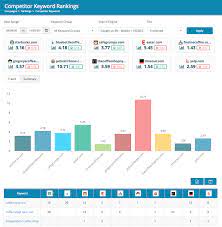
Keyword Ranking Analysis: Understanding the Importance of Monitoring Your Keywords
In the world of digital marketing, keywords play a crucial role in determining the visibility and success of a website. Keyword ranking analysis is a vital practice that helps businesses understand how their target keywords are performing in search engine results pages (SERPs). By monitoring keyword rankings, businesses can gain valuable insights into their SEO efforts and make informed decisions to improve their online presence.
Why is keyword ranking analysis important?
Performance Tracking: By regularly monitoring keyword rankings, businesses can track the performance of their SEO strategies. This allows them to identify trends, measure progress, and adjust their tactics accordingly to improve their search engine visibility.
Competitor Analysis: Keyword ranking analysis also provides valuable insights into how competitors are performing in search results for similar keywords. By comparing your rankings with those of competitors, you can identify areas where you may be falling behind and develop strategies to outperform them.
Identifying Opportunities: Monitoring keyword rankings can help businesses identify new keyword opportunities that they may not have considered before. By analysing which keywords are performing well and which ones are not, businesses can uncover untapped potential for increasing organic traffic to their website.
Improving ROI: Understanding keyword rankings allows businesses to focus their efforts on high-performing keywords that drive relevant traffic to their website. By optimising for these keywords, businesses can increase their chances of attracting qualified leads and improving the return on investment (ROI) of their SEO campaigns.
How to conduct keyword ranking analysis:
Choose the Right Tools: There are several tools available that can help businesses track keyword rankings effectively, such as SEMrush, Ahrefs, Moz, and Google Search Console. These tools provide valuable data on keyword performance, search volume, competition level, and more.
Set Clear Objectives: Before conducting keyword ranking analysis, it’s essential to define clear objectives and key performance indicators (KPIs) that align with your business goals. This will help you measure the success of your SEO efforts accurately.
Regular Monitoring: Keyword rankings fluctuate regularly due to algorithm updates and changes in user behaviour. It’s essential to monitor your keyword rankings regularly to stay informed about any changes and take timely action to maintain or improve your positions in SERPs.
In conclusion, keyword ranking analysis is a critical practice for any business looking to enhance its online visibility and attract more organic traffic. By monitoring keyword rankings effectively and using the insights gained from this analysis, businesses can optimise their SEO strategies for better results and stay ahead of the competition in today’s competitive digital landscape.
Understanding Keyword Ranking Analysis: Top 9 FAQs Answered
- What is a good keyword ranking?
- How can we check keyword ranking?
- What is keyword analysis in SEO?
- How many keywords per 1000 words?
- What is a good keyword ranking SEO?
- How do you analyze keyword performance?
- Is keyword ranking a KPI?
- What are the 4 types of keywords for SEO?
- How do you determine keyword ranking?
What is a good keyword ranking?
A good keyword ranking refers to the position at which a specific keyword appears in search engine results pages (SERPs) for a particular website. The ideal keyword ranking varies depending on factors such as industry competitiveness, search volume, and business objectives. Generally, a good keyword ranking is one that places a website on the first page of search results for relevant keywords, preferably within the top three positions. Achieving a high keyword ranking indicates that the website is effectively optimised for search engines and has a strong online presence, increasing visibility and attracting organic traffic. Regularly monitoring and improving keyword rankings is essential to maintaining a competitive edge in the digital landscape.
How can we check keyword ranking?
To check keyword ranking, businesses can utilise various online tools specifically designed for this purpose, such as SEMrush, Ahrefs, Moz, and Google Search Console. These tools provide valuable insights into keyword performance, search volume, competition level, and other relevant metrics. By entering the target keywords into these tools, businesses can track their rankings in search engine results pages (SERPs) and monitor any changes over time. Regularly checking keyword ranking allows businesses to assess the effectiveness of their SEO strategies, identify areas for improvement, and make informed decisions to enhance their online visibility.
What is keyword analysis in SEO?
Keyword analysis in SEO refers to the process of researching and identifying specific keywords that are relevant to a business’s products or services and have the potential to drive organic traffic to their website. This involves analysing search volume, competition level, and relevance of keywords to determine which ones are most valuable for improving a website’s search engine rankings. By conducting keyword analysis in SEO, businesses can strategically choose the right keywords to target in their content and optimisation efforts, ultimately increasing their visibility in search engine results pages (SERPs) and attracting more qualified leads to their website.
How many keywords per 1000 words?
One frequently asked question regarding keyword ranking analysis is, “How many keywords per 1000 words?” The ideal keyword density in a piece of content has been a topic of debate in the SEO community. While there is no specific number of keywords that should be used per 1000 words, it is generally recommended to focus on creating high-quality, relevant content that naturally incorporates keywords. Rather than fixating on a specific keyword density, businesses should aim to provide valuable information to their audience while strategically incorporating relevant keywords to improve search engine visibility. Quality content that engages readers and satisfies search intent is key to successful keyword ranking analysis.
What is a good keyword ranking SEO?
A good keyword ranking in SEO refers to achieving a high position in search engine results pages (SERPs) for target keywords that are relevant to your business or website. While there is no specific numerical value that defines a “good” keyword ranking, generally speaking, being ranked on the first page of search results is considered favourable. However, the competitiveness of the keyword, the search volume it receives, and the relevance to your target audience also play crucial roles in determining the effectiveness of a keyword ranking. Ultimately, a good keyword ranking in SEO is one that drives organic traffic to your website, attracts qualified leads, and contributes to achieving your business objectives. Regular monitoring and analysis of keyword rankings are essential to continually improve and maintain a strong presence in search engine results.
How do you analyze keyword performance?
Analyzing keyword performance involves a comprehensive evaluation of how specific keywords are performing in search engine results pages (SERPs) and their impact on website visibility and traffic. To analyze keyword performance effectively, businesses can use tools like SEMrush, Ahrefs, or Google Search Console to track keyword rankings, search volume, competition level, and click-through rates. By monitoring these metrics regularly, businesses can identify high-performing keywords that drive relevant traffic to their website and make informed decisions to optimize their SEO strategies. Additionally, conducting competitor analysis and setting clear objectives aligned with business goals are essential steps in analysing keyword performance to improve overall search engine visibility and attract qualified leads.
Is keyword ranking a KPI?
Keyword ranking can be considered a Key Performance Indicator (KPI) in the realm of digital marketing, as it provides valuable insights into the effectiveness of an SEO strategy. Monitoring keyword rankings allows businesses to gauge their visibility in search engine results pages (SERPs) for specific keywords and assess the impact of their efforts to improve organic search performance. By tracking keyword rankings as a KPI, businesses can measure the success of their SEO campaigns, identify areas for improvement, and make data-driven decisions to enhance their online presence and attract more relevant traffic to their website.
What are the 4 types of keywords for SEO?
When it comes to SEO, keywords play a fundamental role in driving organic traffic to a website. There are four primary types of keywords that businesses should consider when developing their SEO strategy: 1) Short-Tail Keywords, which are brief and general terms that typically have high search volume but also high competition. 2) Long-Tail Keywords, which are longer and more specific phrases that target a niche audience and often have lower competition. 3) Branded Keywords, which include the name of a specific brand or company and are essential for building brand awareness and attracting relevant traffic. 4) LSI (Latent Semantic Indexing) Keywords, which are related terms and synonyms that help search engines understand the context of content better. By strategically incorporating these different types of keywords into their content and optimising their website accordingly, businesses can improve their search engine rankings and attract more qualified traffic to their site.
How do you determine keyword ranking?
Determining keyword ranking involves tracking the position of specific keywords in search engine results pages (SERPs) to understand how well a website is performing for those keywords. Various tools and software can be used to monitor keyword rankings accurately, providing insights into the website’s visibility and performance in search engines. Factors such as search volume, competition level, and user intent play a crucial role in determining keyword ranking. By analysing these factors and regularly monitoring keyword positions, businesses can assess their SEO efforts’ effectiveness, identify areas for improvement, and adjust their strategies to enhance their online presence and attract more organic traffic.