
On-Page SEO Strategy: A Practical Guide to Improving Your Website
On-page SEO is the process of improving individual web pages so that search engines can understand their content and visitors can find the information they need. A well-planned on-page SEO strategy can help your pages appear for relevant searches, attract qualified traffic and provide a better experience for users.
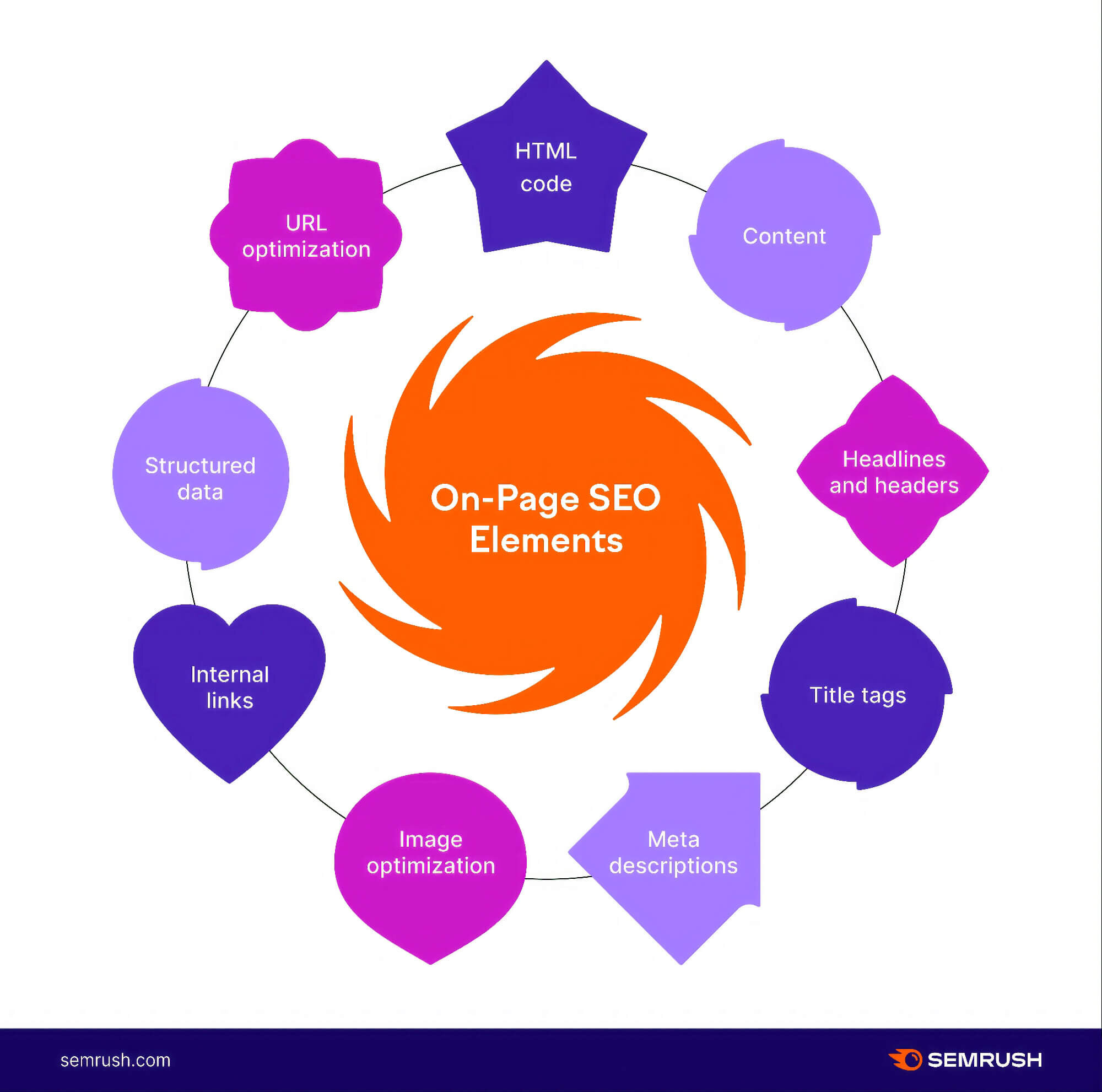
It involves more than adding keywords to a page. Effective optimisation brings together useful content, clear page structure, relevant links, descriptive metadata and a website that works well across devices.
Understand your audience and search intent
Before writing or updating a page, consider what your audience wants to achieve. Search intent is the reason behind a search. Someone searching for “how to clean a coffee machine” is probably looking for instructions, while someone searching for “buy coffee machine” is more likely to be comparing products or ready to purchase.
Review the search results for the terms you want a page to rank for. Look at the types of pages appearing, the questions they answer and the level of detail they provide. This can help you decide whether your page should be a guide, product page, service page, comparison or another format.
Choose a clear primary topic
Each page should focus on one main subject. Choose a primary search term that accurately describes the page, then include related terms and subtopics where they are useful. Avoid forcing exact-match keywords into sentences or creating several pages that all target the same subject without a clear reason.
Use language that feels natural to your audience. Related terms should help explain the topic, not serve as a list of phrases to insert mechanically.
Create useful, trustworthy content
Content should answer the reader’s questions clearly and provide genuine value. Start with the information most likely to help, then add supporting detail, examples or practical steps. Keep the page focused and remove material that does not serve its purpose.
Where appropriate, show who created or reviewed the content and draw on first-hand experience, reliable sources or specialist knowledge. Review important pages regularly to correct outdated details and keep recommendations current.
Structure the page for readers and search engines
A clear structure makes content easier to scan and understand. Use one descriptive <h1> heading to identify the main subject, followed by relevant <h2> and <h3> headings to organise sections.
Headings should describe the content that follows them. They are not simply a place to add keywords, and they should be used in a logical order rather than chosen for their visual size.
Write descriptive title tags and meta descriptions
The title tag can appear as the clickable headline in search results and in a browser tab. Make it distinctive, accurate and easy to understand. Include the page’s main topic where it fits naturally, and avoid repeating the same wording across multiple pages.
A meta description summarises the page and may be used in search results. It does not guarantee a particular ranking or display, but a clear, relevant description can help people decide whether to visit. Explain what the page offers and keep the wording specific to that page.
Use clean, descriptive URLs
Use URLs that are short, readable and relevant to the page. For example, example.co.uk/on-page-seo-strategy is easier to interpret than a long URL containing unexplained numbers or parameters.
Plan URLs carefully before publishing. If an existing URL must change, set up an appropriate redirect and update internal links to point to the new address.
Add relevant internal links
Internal links connect pages on your website. They help visitors discover related information and help search engines find and understand your site’s content.
Link to pages that genuinely support the reader’s next step. Use descriptive anchor text, such as “technical SEO checklist”, rather than vague phrases such as “click here”. Check for broken links and make sure important pages are not difficult to reach.
Optimise images and other media
Use relevant, appropriately sized images that support the content. Compress image files where possible to reduce loading times, and choose suitable formats for the site.
Write alternative text that describes an image’s purpose for people using assistive technology. If an image is purely decorative, it may not need descriptive alternative text. Use captions when they add useful context, and give image files clear names where practical.
Consider structured data
Structured data is code that can help search engines interpret information on a page. Depending on the content, suitable types might include product, article, organisation or local business data.
Only add structured data that accurately represents visible page content and follows current search engine guidelines. Structured data does not guarantee enhanced search results, so validate it and monitor for errors after implementation.
Make the page work well on mobile
Visitors should be able to read and use the page comfortably on phones, tablets and desktop computers. Check that text is legible, layouts adapt to smaller screens, buttons are easy to use and important content is not hidden or difficult to access.
Page speed and stability matter to the user experience, too. Review image sizes, scripts and other elements that may slow the page down, and test the page using relevant performance tools.
Measure results and improve over time
Use tools such as Google Search Console and website analytics to understand how pages are performing. Depending on your goals, useful measures may include search impressions, clicks, rankings, organic visits, engagement, enquiries or sales.
Look for pages that receive impressions but few clicks, pages that attract visits without meeting their intended goal, and important pages that are not being discovered. Make changes based on evidence, then allow time to assess their effect. Avoid changing many elements at once if you need to understand what made a difference.
Common on-page SEO mistakes to avoid
- Repeating keywords unnaturally or adding them where they do not belong.
- Creating content mainly to satisfy a search engine rather than help a reader.
- Using the same title tag or meta description on many pages.
- Publishing multiple pages that compete for the same search intent.
- Neglecting internal links, image accessibility or mobile usability.
- Changing URLs without setting up redirects and updating links.
- Assuming that one optimisation change will guarantee a particular ranking.
On-page SEO checklist
- The page has a clear purpose and matches the likely search intent.
- The content is useful, accurate and focused on a distinct topic.
- The main heading and subheadings describe the page’s structure.
- The title tag and meta description are relevant and unique.
- The URL is readable and descriptive.
- Relevant internal links use clear anchor text.
- Images are appropriately sized and have suitable alternative text.
- The page is accessible and works well on mobile devices.
- Any structured data is accurate and has been checked.
- Performance and results are monitored after publication.
Conclusion
A strong on-page SEO strategy starts with understanding what visitors need. By creating helpful content, organising it clearly and making each page easy to use, you give both people and search engines a better understanding of your website. Treat optimisation as an ongoing process: review performance, keep information current and improve pages as your audience’s needs change.
On-Page SEO Strategy: 19 Frequently Asked Questions on Factors, Techniques and Best Practices
- Which is example of on-page SEO?
- What is an on page SEO and its advantage?
- What is on page SEO techniques?
- What are on-page SEO factors?
- What are top 10 on page SEO factors?
- What is on page SEO and off-page SEO strategy?
- What is SEO strategy on page and off page?
- What are the 5 important on page SEO factors?
- What are the top 5 SEO strategies?
- What are benefits of on page SEO?
- What are top 10 on-page SEO factors?
- What are the 3 most important things for on page SEO?
- What are the 3 most important on-page SEO factors?
- What is basic on page strategy?
- What is on-page SEO checklist?
- What is on page SEO with example?
- How can I improve my onsite SEO?
- What are the best practices for on-page SEO?
- What are the 3 most important on page SEO factors?
Which is example of on-page SEO?
An example of on-page SEO is optimising a service page by giving it a clear, descriptive title, using relevant headings, naturally including terms customers might search for, and adding helpful internal links to related pages. These changes help visitors understand the content and help search engines interpret what the page is about.
What is an on page SEO and its advantage?
On-page SEO is the practice of optimising the content and elements of individual web pages, such as headings, page titles, internal links, images and page structure, to help search engines understand them and make them more useful to visitors. Its advantages include improved visibility in relevant search results, more targeted organic traffic, a better user experience and a greater chance of turning visitors into enquiries or customers.
What is on page SEO techniques?
On-page SEO techniques are the changes made directly to a webpage to help search engines understand its content and make it more useful for visitors. They include creating helpful, well-structured content; using relevant keywords naturally in headings and page text; writing descriptive title tags and meta descriptions; organising clear URLs; adding relevant internal links; optimising images with suitable file sizes and alternative text; and ensuring the page is accessible, mobile-friendly and quick to load.
What are on-page SEO factors?
On-page SEO factors are the elements of a webpage that can be optimised to help search engines understand its content and make it useful for visitors. They include the quality and relevance of the content, title tag, headings, URL, internal links, image descriptions, page structure, mobile usability and loading speed. These factors should work together naturally, with the page focused on meeting the reader’s needs rather than simply repeating keywords.
What are top 10 on page SEO factors?
The top 10 on-page SEO factors are: useful, original content that matches search intent; a clear, descriptive title tag; a compelling meta description; a logical heading structure; a concise, readable URL; natural use of relevant keywords and related terms; helpful internal links; well-optimised images with descriptive alt text; a mobile-friendly, fast and accessible page; and accurate structured data where appropriate. Prioritise what helps visitors, rather than forcing keywords into the page: meta descriptions and structured data can improve how a result is presented, but do not guarantee higher rankings.
What is on page SEO and off-page SEO strategy?
On-page SEO focuses on improving elements within your website, such as page content, headings, title tags, internal links, image descriptions and page usability, so that visitors and search engines can understand each page. Off-page SEO focuses on actions beyond your website that can build its reputation and authority, such as earning links from relevant, trustworthy websites, gaining brand mentions and promoting useful content. A balanced SEO strategy combines both: strong on-page foundations make your pages valuable and accessible, while off-page activity can help more people discover and trust them.
What is SEO strategy on page and off page?
An SEO strategy combines on-page and off-page activities to improve a website’s visibility in search results. On-page SEO focuses on elements you can optimise on your website, such as helpful content, headings, page titles, internal links, image descriptions and site usability. Off-page SEO involves activities beyond your website that can build its reputation and authority, such as earning links from reputable sites, gaining brand mentions and promoting content. Both approaches work together: on-page SEO helps search engines understand and value your pages, while off-page SEO can strengthen your site’s credibility.
What are the 5 important on page SEO factors?
The five important on-page SEO factors are helpful content that matches search intent, a clear and relevant title tag, a logical heading structure, descriptive URLs and internal links, and a positive page experience, including mobile usability and fast loading. Together, these elements help visitors find and understand your content while making it easier for search engines to interpret each page.
What are the top 5 SEO strategies?
The top five SEO strategies are to create useful, original content that matches search intent; research relevant keywords and use them naturally in page titles, headings and copy; improve technical performance, including mobile usability, page speed and crawlability; build a clear internal linking structure and earn trustworthy backlinks; and regularly measure results using analytics and search performance data, updating pages where needed. Together, these strategies help make your website easier to find, understand and use.
What are benefits of on page SEO?
On-page SEO helps search engines understand what a page is about, making it more likely to appear for relevant searches. It can also improve the experience for visitors by making content clearer, easier to navigate and more useful. Over time, effective on-page optimisation may attract more qualified organic traffic, support stronger engagement and help turn visitors into enquiries or customers.
What are top 10 on-page SEO factors?
The top 10 on-page SEO factors are: helpful, original content that matches search intent; a clear, descriptive title tag; a well-organised heading structure; a concise, readable URL; relevant keywords used naturally; useful internal links with descriptive anchor text; optimised images with suitable file sizes and alternative text; a mobile-friendly, fast-loading page; a compelling meta description that accurately summarises the content; and accurate structured data where appropriate. These elements help search engines understand a page and make it more useful to visitors, although no single factor guarantees higher rankings.
What are the 3 most important things for on page SEO?
The three most important elements of on-page SEO are creating helpful content that matches the searcher’s intent, using clear page titles and headings to explain the topic, and providing a good user experience with a logical structure, relevant internal links and fast, mobile-friendly pages. There is no fixed formula, so focus on making each page useful, easy to understand and simple to navigate.
What are the 3 most important on-page SEO factors?
The three most important on-page SEO factors are helpful content that closely matches the searcher’s intent, a clear page structure with a descriptive title tag and relevant headings, and a good user experience across devices. Together, these help search engines understand the page while making it useful and easy for visitors to navigate.
What is basic on page strategy?
A basic on-page SEO strategy is the process of making each web page clear, useful and easy to navigate for both visitors and search engines. Start by understanding what your audience is looking for, then create helpful content focused on that topic. Use a descriptive page title, a clear main heading, logical subheadings and a readable URL. Add relevant internal links, optimise images with suitable alternative text, and make sure the page works well on mobile devices and loads promptly.
What is on-page SEO checklist?
An on-page SEO checklist is a practical list of steps for optimising a web page for search engines and visitors. It typically covers matching the page to search intent, creating useful content, using a clear heading structure, writing a unique title tag and meta description, choosing a descriptive URL, adding relevant internal links, optimising images and checking mobile usability and page speed. Use it when publishing or reviewing a page to make sure the important elements have been considered.
What is on page SEO with example?
On-page SEO is the practice of improving elements on a web page to help search engines understand its content and make it more useful for visitors. For example, a bakery creating a page about birthday cakes might use a clear title such as “Custom Birthday Cakes in Bristol”, organise information with descriptive headings, include original photos with helpful alt text, and link to its ordering and delivery pages. These changes make the page clearer and easier to navigate, while accurately reflecting what local customers are searching for.
How can I improve my onsite SEO?
Improve your onsite SEO by creating useful, original content that matches your audience’s search intent, and organise it with clear headings and a descriptive page title. Use relevant keywords naturally, write concise meta descriptions, create readable URLs, and add internal links to related pages. Optimise images with suitable file sizes and descriptive alt text, ensure your site works well on mobile devices, and address page speed and accessibility. Regularly review performance in tools such as Google Search Console, update outdated content and fix broken links.
What are the best practices for on-page SEO?
The best practices for on-page SEO are to create useful, accurate content that matches the searcher’s intent, organise it with clear headings and use relevant keywords naturally. Write a unique, descriptive title tag and meta description for each page, keep URLs simple, and add helpful internal links with clear anchor text. Optimise images with suitable file sizes and descriptive alt text, and make sure pages are fast, accessible and easy to use on mobile devices. Where appropriate, use accurate structured data, then monitor performance and update content as needed.
What are the 3 most important on page SEO factors?
The three most important on-page SEO factors are useful content that matches the searcher’s intent, clear page titles and headings, and a strong user experience. Create accurate, valuable content that answers the reader’s question; use a unique, descriptive title tag and logical headings to make the topic clear; and ensure the page is easy to navigate, mobile-friendly and quick to load. These elements help visitors and search engines understand and use the page.