
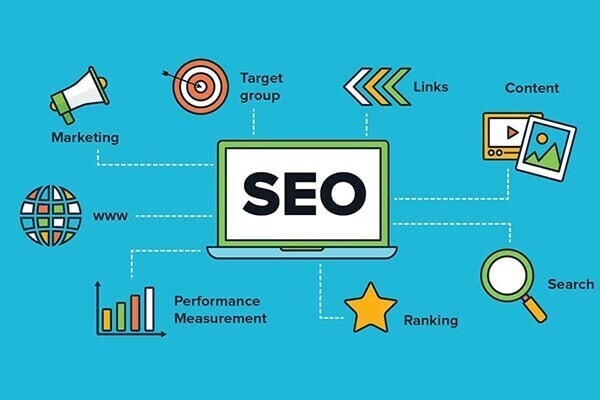
Choosing an Organic Search Engine Optimisation (SEO) Company
Appearing prominently in search results can help people discover your business when they are looking for products, services or information. An organic search engine optimisation (SEO) company works to improve a website’s visibility in unpaid search results through practical, long-term improvements to its content, structure and reputation.
Unlike paid search advertising, organic SEO does not involve paying for each click. It does, however, require expertise, consistent effort and time. Results vary according to factors such as competition, website history and the quality of the work carried out.
What does an organic SEO company do?
A reputable SEO company will assess how your website performs in search and identify opportunities to make it more useful and accessible to both visitors and search engines. Services may include:
- SEO audits: Reviewing a website’s technical health, content, links and search visibility.
- Keyword and audience research: Understanding the terms people use and the information they need at different stages of their journey.
- On-page optimisation: Improving page titles, headings, internal links and content so pages are clear and relevant.
- Technical SEO: Addressing issues such as crawlability, indexing, mobile usability, page speed and site structure.
- Content strategy: Planning and improving helpful pages that answer genuine questions and support business goals.
- Local SEO: Helping businesses improve their visibility in relevant local searches, where appropriate.
- Measurement and reporting: Tracking progress using suitable measures, such as organic traffic, search visibility, enquiries and sales.
Why invest in organic SEO?
Organic search can be an important source of qualified website visitors. People often use search engines to compare options, research a problem or find a provider, so useful and well-optimised pages can connect a business with relevant audiences.
SEO can also support a better website experience. Clear navigation, informative content and technically sound pages can make it easier for visitors to find what they need. While paid campaigns can provide visibility while they are running, organic SEO focuses on building a stronger foundation that may continue to attract visitors over time. It is not a guaranteed or instant route to rankings, and ongoing work is usually needed.
How to choose the right SEO company
Choosing an SEO partner is about more than comparing prices. Look for a company that takes the time to understand your organisation, audience and objectives. Before making a decision, consider the following:
- Clear explanations: The company should explain its recommendations in plain English and show how the work relates to your goals.
- Realistic expectations: Be cautious of guaranteed rankings or promises of immediate results. No company can control search engine algorithms or guarantee a particular position.
- Transparent methods: Ask how the company approaches content, technical improvements and link building. Avoid tactics that seem manipulative or deliberately hidden.
- Relevant experience: Ask about work with businesses similar to yours, while remembering that past results do not guarantee future performance.
- Useful reporting: Reports should explain what has been done, what has changed and what the next steps are—not just present a list of numbers.
- A suitable working relationship: Find out who will manage your account, how often you will communicate and what input is needed from your team.
What to expect from the SEO process
An organic SEO programme often starts with discovery and a review of the website. The company may examine technical issues, existing content, competitors and search demand. It can then agree priorities and set a plan that fits your resources and objectives.
Work might begin with essential technical fixes and improvements to important pages, followed by a broader content plan. Progress is reviewed regularly, and the strategy may change as the website develops, competitors respond and search behaviour shifts. Organic SEO is best treated as an ongoing process rather than a one-off task.
Questions to ask before you begin
- What will the first three months of work involve?
- Which outcomes will you measure, and how will you report on them?
- Will you make changes directly to the website or provide recommendations for our team?
- How do you approach content quality and link building?
- What access, information or approvals will you need from us?
- How will you respond if results do not develop as expected?
Build sustainable search visibility
The right organic search engine optimisation SEO company will combine research, technical knowledge and thoughtful content planning to help your website serve its audience more effectively. Look for a partner that communicates clearly, works transparently and focuses on sustainable improvements rather than shortcuts. With realistic goals and consistent effort, organic SEO can become a valuable part of a broader digital marketing strategy.
7 Tips for Choosing an Organic SEO Company
- Choose an SEO company with proven organic search results.
- Ask for case studies from businesses like yours.
- Prioritise useful content and sound technical SEO.
- Avoid companies promising guaranteed rankings.
- Check that link-building practices are ethical.
- Request clear reports on traffic and conversions.
- Agree on goals, timelines and costs upfront.
Choose an SEO company with proven organic search results.
Choose an SEO company with proven organic search results, and ask for clear examples of how its work has improved clients’ visibility, relevant website traffic or enquiries. Look for evidence that reflects businesses and goals similar to yours, and ask how results were measured and over what period. Case studies can offer useful insight, but remember that past performance does not guarantee future outcomes; a trustworthy company will explain its approach, set realistic expectations and avoid promising specific rankings.
Ask for case studies from businesses like yours.
Ask potential organic search engine optimisation (SEO) companies for case studies from businesses similar to yours in size, industry or location. These examples can help you understand the challenges they addressed, the work they carried out and the outcomes achieved. Look for clear context and meaningful measures, such as relevant organic traffic, enquiries or sales, rather than rankings alone. Case studies are useful evidence of experience, but past results are not a guarantee of future performance.
Prioritise useful content and sound technical SEO.
An effective organic search engine optimisation (SEO) company prioritises useful content and sound technical SEO. Content should answer your audience’s questions clearly, offer genuine value and reflect their needs, rather than simply repeat keywords. At the same time, a technically healthy website should be easy for search engines to crawl and index, quick to load, mobile-friendly and straightforward to navigate. Bringing these elements together can improve the experience for visitors and create a stronger foundation for sustainable organic visibility.
Avoid companies promising guaranteed rankings.
Be cautious of SEO companies that promise guaranteed rankings. Search engine results are influenced by many factors, including competition, website quality and algorithm changes, so no company can guarantee a particular position. A trustworthy provider will explain its approach, set realistic expectations and focus on sustainable improvements that help your website attract relevant visitors over time.
Check that link-building practices are ethical.
When choosing an organic SEO company, check that its link-building practices are ethical and transparent. Quality links should be earned naturally through useful content, genuine industry relationships and relevant outreach—not bought in bulk or created through link farms and other manipulative schemes. Ask the company to explain how it gains links and how it checks their relevance. Unethical tactics can damage your website’s reputation and may lead to search engine penalties, so prioritise a provider focused on sustainable, user-first methods.
Request clear reports on traffic and conversions.
When choosing an organic search engine optimisation (SEO) company, request clear, regular reports on both website traffic and conversions. Reports should explain where organic visitors come from, which pages they use and whether they take meaningful actions, such as making an enquiry, booking a service or completing a purchase. Ask the company to define its metrics and highlight progress, challenges and next steps in plain English, so you can understand the value of the work and make informed decisions.
Agree on goals, timelines and costs upfront.
Before working with an organic search engine optimisation (SEO) company, agree on your goals, expected timelines and costs. Be clear about the outcomes that matter to your business, such as more relevant website visits, enquiries or sales, and ask how progress will be measured. SEO usually takes time, so request a realistic schedule for the work and reviews rather than guarantees of quick results or specific rankings. Confirm what the quoted fee includes, whether any additional costs may arise, and how often you will receive updates. A shared understanding from the outset helps keep the project transparent and expectations realistic.