
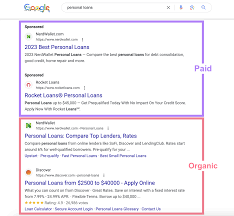
Organic search engine rankings are a vital aspect of any successful online presence. When users search for information, products, or services on search engines like Google, Bing, or Yahoo, they are presented with a list of results that match their query. These results are divided into two main categories: organic and paid.
Organic search engine rankings refer to the unpaid listings that appear on the search engine results pages (SERPs) based on their relevance to the user’s query. Achieving high organic rankings is crucial for businesses and websites looking to increase their online visibility and attract more organic traffic.
There are several factors that influence organic search engine rankings, including:
- Relevance: Search engines aim to provide users with the most relevant and valuable results. Websites that offer high-quality content related to the user’s query are more likely to rank higher organically.
- Keywords: Using relevant keywords in website content, meta tags, headings, and URLs can help search engines understand the topic of a webpage and improve its chances of ranking well for those keywords.
- Backlinks: Backlinks from reputable websites act as a vote of confidence for a website’s credibility and authority. Websites with a strong backlink profile are more likely to rank higher in organic search results.
- User Experience: Factors such as page load speed, mobile-friendliness, intuitive navigation, and engaging content all contribute to a positive user experience. Search engines favour websites that provide a seamless experience for visitors.
It’s important for businesses to invest time and effort in improving their organic search engine rankings as it can lead to increased website traffic, brand visibility, credibility, and ultimately conversions. While achieving top organic rankings may take time and consistent effort, the long-term benefits make it a worthwhile investment for any online business.
In conclusion, organic search engine rankings play a significant role in determining the online success of businesses and websites. By focusing on creating high-quality content, using relevant keywords strategically, building strong backlinks, and enhancing user experience, businesses can improve their chances of ranking well organically and reaching their target audience effectively.
8 Essential Tips for Boosting Your Website’s Organic Search Engine Rankings
- Create high-quality and relevant content for your website.
- Optimize your website’s meta tags, titles, and descriptions.
- Use relevant keywords naturally throughout your content.
- Improve your website’s loading speed for better user experience.
- Build quality backlinks from reputable websites in your industry.
- Regularly update and refresh your website’s content to keep it current.
- Ensure your website is mobile-friendly and responsive.
- Monitor and analyze your organic search performance regularly to make data-driven improvements.
Create high-quality and relevant content for your website.
Creating high-quality and relevant content for your website is a crucial tip for improving organic search engine rankings. Search engines value websites that provide valuable and informative content that meets the needs of users. By focusing on producing content that is well-researched, engaging, and tailored to your target audience’s interests, you can increase your website’s visibility in search results. Quality content not only helps establish your website as a credible source of information but also encourages other websites to link back to yours, further boosting your organic rankings. Remember, quality content is key to attracting organic traffic and building a strong online presence.
Optimize your website’s meta tags, titles, and descriptions.
To improve your website’s organic search engine rankings, it is essential to optimise your meta tags, titles, and descriptions. These elements provide search engines with valuable information about the content of your web pages, helping them understand the relevance of your site to users’ queries. By incorporating relevant keywords into your meta tags, titles, and descriptions in a natural and informative way, you can increase the visibility of your website in search results and attract more organic traffic. Additionally, compelling titles and descriptions can entice users to click through to your site, enhancing both your search engine rankings and click-through rates.
Use relevant keywords naturally throughout your content.
To improve your organic search engine rankings, it is essential to use relevant keywords naturally throughout your content. By incorporating keywords that align with the topic of your content in a seamless and organic manner, you signal to search engines the relevance of your webpage to users’ queries. Avoid keyword stuffing and focus on creating valuable, informative content that naturally integrates relevant keywords. This practice not only enhances your chances of ranking higher in search results but also improves the overall user experience by providing valuable information that matches users’ search intent.
Improve your website’s loading speed for better user experience.
Improving your website’s loading speed is a crucial tip for enhancing organic search engine rankings. A faster loading website not only provides a better user experience but also signals to search engines that your site is well-maintained and user-friendly. Users are more likely to stay on a website that loads quickly, leading to lower bounce rates and increased engagement. By optimising images, minifying code, leveraging browser caching, and investing in reliable hosting, businesses can significantly improve their website’s loading speed, ultimately boosting their organic search rankings and attracting more organic traffic.
Build quality backlinks from reputable websites in your industry.
Building quality backlinks from reputable websites in your industry is a crucial tip for improving organic search engine rankings. Backlinks act as a vote of confidence for your website’s credibility and authority in the eyes of search engines. By obtaining backlinks from trusted and relevant sources, you not only enhance your website’s reputation but also increase the likelihood of ranking higher in search results. Focus on establishing relationships with industry leaders and influencers to secure valuable backlinks that can significantly boost your website’s visibility and organic traffic.
Regularly update and refresh your website’s content to keep it current.
Regularly updating and refreshing your website’s content is a crucial tip for improving organic search engine rankings. Search engines value fresh and relevant content, so by consistently updating your website with new information, articles, blog posts, or product updates, you signal to search engines that your site is active and engaging. This can help improve your site’s visibility in search results and attract more organic traffic. Additionally, keeping your content current ensures that visitors have access to up-to-date and accurate information, enhancing their overall user experience on your website.
Ensure your website is mobile-friendly and responsive.
Ensuring that your website is mobile-friendly and responsive is a crucial tip for improving organic search engine rankings. With the increasing number of users accessing the internet through mobile devices, search engines like Google prioritise mobile-friendly websites in their rankings. A responsive website design not only enhances user experience but also signals to search engines that your site is accessible and user-friendly across different devices. By optimising your website for mobile users, you can improve your organic search visibility, attract more traffic, and provide a seamless browsing experience for visitors on smartphones and tablets.
Monitor and analyze your organic search performance regularly to make data-driven improvements.
Monitoring and analysing your organic search performance regularly is essential for making data-driven improvements to enhance your website’s visibility and ranking on search engines. By tracking key metrics such as organic traffic, keyword rankings, click-through rates, and conversion rates, you can gain valuable insights into what strategies are working well and where there is room for improvement. This data-driven approach enables you to identify opportunities for optimisation, refine your content strategy, and make informed decisions to boost your organic search engine rankings effectively.