
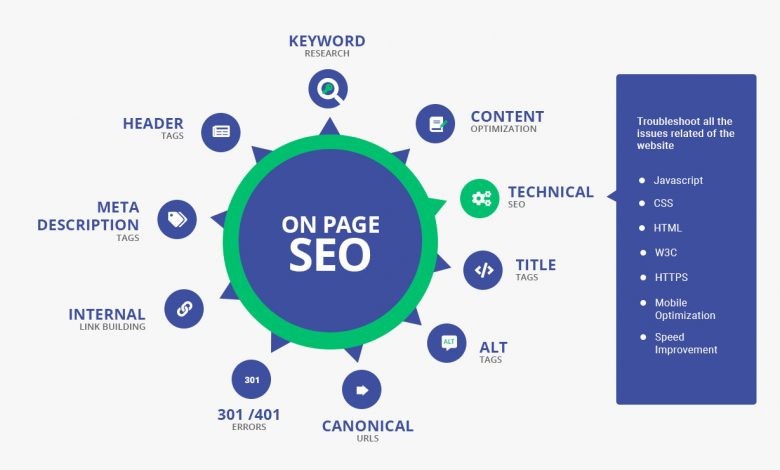
Search Engine Optimization (SEO) is a crucial component of any successful digital marketing strategy. Among the various aspects of SEO, on-page optimization plays a significant role in improving a website’s visibility and ranking on search engine results pages (SERPs).
On-page optimization involves optimizing individual web pages to make them more search engine-friendly and user-friendly. By implementing on-page SEO techniques, website owners can enhance their chances of ranking higher in search results for relevant keywords.
One key aspect of on-page optimization is the strategic use of keywords. It is essential to conduct thorough keyword research to identify relevant keywords that potential visitors are likely to use when searching for your products or services. These keywords should be strategically placed in key areas of the webpage, such as the title tag, meta description, headings, and throughout the content.
Another critical element of on-page optimization is creating high-quality and relevant content. Search engines value fresh, informative, and engaging content that provides value to users. By regularly updating your website with quality content that incorporates relevant keywords naturally, you can improve your site’s visibility and credibility with search engines.
Optimizing meta tags, including title tags and meta descriptions, is also vital for on-page SEO. These tags provide search engines with information about the content of a webpage and influence how it appears in search results. By crafting compelling and keyword-rich meta tags, you can increase the likelihood of users clicking through to your site.
Additionally, optimizing images by using descriptive filenames and alt text can improve accessibility and help search engines understand the content of your images. Compressing images for faster loading times can also positively impact user experience and SEO performance.
Lastly, ensuring that your website has a clear site structure with logical navigation can enhance user experience and make it easier for search engines to crawl and index your site effectively. Internal linking between related pages can also help distribute link equity throughout your site and improve its overall SEO performance.
In conclusion, on-page optimization is a fundamental aspect of SEO that website owners should prioritise to enhance their online visibility and attract organic traffic from search engines. By implementing best practices such as keyword research, quality content creation, meta tag optimization, image optimization, and site structure improvements, you can maximise your site’s potential for higher rankings and increased organic traffic.
8 Essential Tips for On-Page SEO Optimisation
- 1. Conduct keyword research to identify relevant and high-traffic keywords for your content.
- 2. Optimise your title tags by including the main keyword and making them compelling for users.
- 3. Write meta descriptions that are informative, enticing, and include relevant keywords.
- 4. Use headings (H1, H2, etc.) to structure your content and improve readability for both users and search engines.
- 5. Optimise your images by using descriptive filenames and alt text that includes keywords where appropriate.
- 6. Create unique and valuable content that addresses the needs of your target audience.
- 7. Improve page loading speed by optimising images, minifying CSS/JS files, and leveraging browser caching.
- 8. Ensure your website is mobile-friendly to provide a seamless user experience across all devices.
1. Conduct keyword research to identify relevant and high-traffic keywords for your content.
To enhance the on-page optimization of your website, it is essential to conduct thorough keyword research to identify relevant and high-traffic keywords for your content. By understanding the search terms that potential visitors are using to find products or services similar to yours, you can strategically incorporate these keywords into key areas of your webpage, such as the title tag, meta description, headings, and body content. This targeted approach not only improves your site’s visibility in search engine results but also increases the likelihood of attracting qualified organic traffic to your website.
2. Optimise your title tags by including the main keyword and making them compelling for users.
To improve your on-page SEO performance, it is essential to optimise your title tags by incorporating the main keyword and crafting them in a way that is compelling for users. Title tags play a crucial role in conveying the content and relevance of a webpage to both search engines and users. By including the main keyword in your title tags, you signal to search engines the topic of your page, increasing its chances of ranking for relevant searches. Additionally, creating compelling and engaging title tags can entice users to click through to your site from search results, ultimately driving more organic traffic to your website.
3. Write meta descriptions that are informative, enticing, and include relevant keywords.
When focusing on SEO on-page optimization, it is crucial to pay attention to writing meta descriptions that are not only informative and enticing but also include relevant keywords. Meta descriptions serve as a brief summary of a webpage’s content in search engine results, influencing users’ decision to click through to the site. By crafting compelling meta descriptions that accurately reflect the page’s content while incorporating relevant keywords, website owners can improve their click-through rates and enhance their site’s visibility in search results. Striking a balance between providing valuable information and incorporating targeted keywords can significantly impact the effectiveness of on-page SEO efforts.
4. Use headings (H1, H2, etc.) to structure your content and improve readability for both users and search engines.
Utilising headings (H1, H2, etc.) is a crucial tip for on-page SEO optimization. By structuring your content with headings, you not only enhance the readability and user experience of your webpage but also provide search engines with valuable information about the hierarchy and relevance of your content. Headings help break up text into digestible sections, making it easier for users to scan and navigate through your content. Additionally, search engines use headings to understand the context and key topics of your webpage, which can positively impact your site’s ranking in search results. Incorporating relevant keywords in your headings can further boost your SEO efforts and improve the overall visibility of your website.
5. Optimise your images by using descriptive filenames and alt text that includes keywords where appropriate.
To enhance your on-page SEO efforts, it is crucial to optimise your images by utilising descriptive filenames and alt text that incorporate relevant keywords where appropriate. By naming your image files descriptively and including keywords in the alt text, you can improve the accessibility of your images for both users and search engines. This practice not only enhances user experience but also helps search engines better understand the content of your images, ultimately contributing to improved SEO performance and visibility in search results.
6. Create unique and valuable content that addresses the needs of your target audience.
Creating unique and valuable content that directly addresses the needs and interests of your target audience is a fundamental aspect of effective on-page SEO optimization. By developing high-quality content that provides relevant information, answers questions, and offers solutions to your audience’s problems, you not only improve your website’s visibility in search engine results but also establish credibility and trust with your visitors. Tailoring your content to meet the specific needs of your target audience can significantly impact engagement, conversions, and ultimately contribute to the overall success of your digital marketing efforts.
7. Improve page loading speed by optimising images, minifying CSS/JS files, and leveraging browser caching.
To enhance on-page optimization for SEO, it is crucial to improve page loading speed by implementing various strategies. This includes optimizing images by compressing them without compromising quality, minifying CSS and JavaScript files to reduce their size and improve loading times, and leveraging browser caching to store frequently accessed resources locally. By prioritizing these techniques, website owners can create a faster and more efficient user experience, which not only benefits SEO but also enhances user engagement and satisfaction.
8. Ensure your website is mobile-friendly to provide a seamless user experience across all devices.
Ensuring that your website is mobile-friendly is a crucial aspect of on-page optimization. With the increasing use of mobile devices to access the internet, it is essential to provide a seamless user experience across all devices. A mobile-friendly website not only improves user satisfaction but also positively impacts your site’s SEO performance. Search engines like Google prioritise mobile-friendly websites in their search results, making it easier for mobile users to find and engage with your content. By implementing responsive design and optimising your site for mobile devices, you can enhance usability, increase engagement, and ultimately improve your site’s visibility and ranking in search engine results.