
Understanding Programmatic SEO: A Comprehensive Guide
In the ever-evolving landscape of digital marketing, programmatic SEO has emerged as a powerful strategy for businesses looking to enhance their online presence. This innovative approach leverages automation and data-driven insights to optimise websites efficiently and effectively. But what exactly is programmatic SEO, and how can it benefit your business?
What is Programmatic SEO?
Programmatic SEO refers to the use of automated processes and algorithms to optimise a large number of web pages for search engines. Unlike traditional SEO, which often involves manual keyword research and on-page optimisation, programmatic SEO utilises technology to streamline these tasks at scale. This approach is particularly beneficial for websites with extensive content or e-commerce platforms with numerous product pages.
Key Components of Programmatic SEO
- Data Analysis: At the heart of programmatic SEO is data analysis. By analysing large datasets, businesses can identify trends, opportunities, and areas for improvement across their website.
- Automation: Automation tools are used to implement changes across multiple pages quickly. This includes updating meta tags, creating internal links, and optimising content structure.
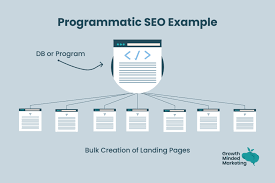
- Template-Based Optimisation: For sites with similar types of content (such as product listings), templates can be used to apply consistent optimisation techniques across all relevant pages.
The Benefits of Programmatic SEO
The primary advantage of programmatic SEO is its ability to handle large-scale optimisation tasks efficiently. Here are some key benefits:
- Scalability: Programmatic SEO allows businesses to optimise thousands of pages simultaneously, making it ideal for large websites.
- Consistency: Automated processes ensure that optimisation techniques are applied uniformly across all pages, improving overall site quality.
- Time Efficiency: By reducing the need for manual intervention, programmatic SEO saves valuable time and resources.
- Data-Driven Decisions: The use of data analytics enables more informed decision-making, leading to more effective optimisation strategies.
Implementing Programmatic SEO in Your Business
If you’re considering adopting programmatic SEO for your website, here are some steps to get started:
- Audit Your Website: Begin by conducting a comprehensive audit to identify areas that require improvement.
- Select the Right Tools: Choose automation tools that align with your business needs and budget. Popular options include Screaming Frog, SEMrush, and Ahrefs.
- Create Templates: Develop templates for common page types on your site (e.g., product pages) to ensure consistent optimisation practices.
- Anaylse Data Regularly:: Continuously monitor performance metrics such as traffic volume and conversion rates using analytics platforms like Google Analytics or Adobe Analytics.
The Future of Programmatic SEO
The rise of artificial intelligence (AI) promises even greater advancements in programmatically-driven strategies over time; machine learning algorithms will likely play an increasingly significant role in shaping future developments within this field too! As technology continues evolving rapidly alongside consumer behaviour patterns online – staying ahead requires constant adaptation through innovative approaches such as these described above!
If you want success today tomorrow alike then embracing cutting-edge methodologies like those offered via programme-based solutions could prove invaluable long-term investments worth exploring further sooner rather than later!
Understanding Programmatic SEO: Key Questions and Insights
- What are the 4 types of SEO?
- What is SEO and how it works?
- What is a programmatic SEO?
- Why SEO is important for small business?
- Is SEO programmatic advertising?
- What is programmable SEO?
- What is the difference between editorial and programmatic SEO?
- What is programmatic SEO with practical examples?
What are the 4 types of SEO?
When discussing programmatic SEO, a frequently asked question revolves around the different types of SEO strategies. Broadly speaking, there are four main types of SEO: On-Page SEO, Off-Page SEO, Technical SEO, and Local SEO. On-Page SEO focuses on optimizing individual web pages to improve their search engine rankings and attract organic traffic. Off-Page SEO involves activities outside the website to enhance its authority and credibility, such as link building and social media marketing. Technical SEO deals with the backend elements of a website to ensure it is optimized for search engine crawling and indexing. Lastly, Local SEO targets geographically specific searches to help businesses appear in local search results. Understanding these four types of SEO is crucial for developing a comprehensive digital marketing strategy that aligns with business goals and objectives.
What is SEO and how it works?
In the realm of digital marketing, a frequently asked question revolves around the essence of SEO and its operational mechanisms. SEO, short for Search Engine Optimisation, is a strategic practice aimed at enhancing a website’s visibility and ranking on search engine results pages. It operates by optimising various elements on a website, such as content, meta tags, and backlinks, to align with search engine algorithms. By improving these aspects, SEO helps websites attract organic traffic and appear more prominently in search results for relevant queries. Ultimately, SEO works as a crucial tool for businesses looking to increase their online presence and reach their target audience effectively.
What is a programmatic SEO?
“Programmatic SEO is a cutting-edge approach to search engine optimization that utilises automation and data-driven insights to enhance a website’s visibility and performance in search engine results. Unlike traditional SEO methods that rely heavily on manual processes, programmatic SEO leverages technology to streamline tasks such as keyword research, content optimisation, and site structure improvements at scale. By analysing large datasets and implementing changes efficiently, programmatic SEO helps businesses achieve better organic search rankings and attract more targeted traffic to their websites.”
Why SEO is important for small business?
SEO is crucial for small businesses as it serves as a powerful tool to enhance online visibility and attract potential customers. By implementing effective SEO strategies, small businesses can improve their website’s search engine rankings, making it easier for users to find them when searching for relevant products or services. This increased visibility not only drives organic traffic to the website but also helps establish credibility and trust among consumers. Additionally, SEO allows small businesses to compete with larger competitors on a level playing field, enabling them to reach a broader audience and grow their customer base without the need for extensive marketing budgets. In essence, investing in SEO can significantly impact the success and growth of a small business in today’s competitive digital landscape.
Is SEO programmatic advertising?
The frequently asked question, “Is SEO programmatic advertising?” addresses a common misconception in the digital marketing realm. While both SEO (Search Engine Optimization) and programmatic advertising fall under the umbrella of digital marketing strategies, they serve distinct purposes. SEO focuses on optimizing website content to improve organic search engine rankings and drive traffic, while programmatic advertising involves automated buying and placement of online ads to target specific audiences. In essence, SEO is about enhancing a website’s visibility in search results, whereas programmatic advertising aims to deliver targeted ads efficiently across various digital platforms. Understanding the differences between these two strategies is crucial for businesses looking to develop a comprehensive and effective digital marketing approach.
What is programmable SEO?
“Programmatic SEO is a cutting-edge approach to search engine optimization that utilises automation and data-driven techniques to enhance a website’s visibility and performance in search engine results. Unlike traditional SEO methods that rely heavily on manual processes, programmatic SEO streamlines the optimization process by leveraging technology to analyse data, implement changes at scale, and ensure consistency across multiple web pages. This innovative strategy allows businesses to efficiently manage large volumes of content and drive organic traffic effectively, ultimately improving their online presence and driving business growth.”
What is the difference between editorial and programmatic SEO?
When comparing editorial and programmatic SEO, the key distinction lies in the approach to optimising web content. Editorial SEO involves manual, human-driven processes where content creators focus on crafting high-quality, relevant material that resonates with the target audience. This method emphasises creativity, storytelling, and user engagement to improve search engine rankings organically. On the other hand, programmatic SEO utilises automated tools and data analysis to optimise a large volume of web pages efficiently. It prioritises scalability, consistency, and data-driven decision-making to enhance overall website performance. While editorial SEO emphasises human expertise and creativity, programmatic SEO leverages technology and automation to streamline optimisation processes at scale.
What is programmatic SEO with practical examples?
Programmatic SEO is a data-driven approach to search engine optimization that utilises automation tools and algorithms to optimise websites efficiently. One practical example of programmatic SEO is the use of automated content generation tools to create meta tags and descriptions for thousands of product pages on an e-commerce website. Another example is the implementation of dynamic XML sitemaps that automatically update as new content is added to a site, ensuring search engines can crawl and index the latest information effectively. By leveraging technology and data analysis, programmatic SEO streamlines the optimisation process, saving time and resources while improving overall search visibility and performance.