
Search Engine Marketing Specialists: What They Do and How They Help Businesses Grow
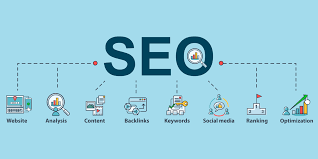
Search engine marketing specialists help businesses become more visible when people search online. Their work can include paid advertising, search engine optimisation (SEO), or a combination of both. The aim is to connect a business with relevant audiences and turn that visibility into meaningful results, such as enquiries, sales or website visits.
What is search engine marketing?
Search engine marketing (SEM) is a broad term for promoting websites through search engines. It is often used to describe paid search advertising, where businesses pay to display adverts for selected search terms. Some organisations also use SEM to include SEO, which focuses on improving a website’s visibility in unpaid search results. As terminology can vary, it is worth checking what a specialist includes in their services.
What does a search engine marketing specialist do?
A specialist develops and manages search marketing activity in line with a business’s goals and budget. Typical responsibilities include:
- Researching search terms: Identifying the phrases potential customers use and assessing their relevance, competition and likely value.
- Planning campaigns: Choosing suitable audiences, locations, budgets and campaign types.
- Writing and testing adverts: Creating clear, relevant advert copy and testing different versions to learn what works best.
- Improving landing pages: Reviewing the pages visitors reach after clicking an advert and recommending ways to make them more useful and effective.
- Managing bids and budgets: Adjusting campaign settings and spend to support performance targets.
- Monitoring results: Using analytics and advertising platforms to track activity, identify opportunities and report on performance.
Where SEO is included, the work may also involve technical website reviews, content recommendations, internal linking and improving how a website appears in organic search results.
Skills to look for
Strong search marketing specialists combine analytical ability with clear communication and practical campaign experience. They should be comfortable interpreting data, explaining their recommendations and adapting plans as search behaviour or business priorities change. Knowledge of advertising platforms, analytics tools, conversion tracking and landing-page optimisation can also be valuable.
Just as important is an understanding of the business itself. Effective campaigns reflect the products or services being promoted, the audience being targeted and the action the business wants people to take.
How specialists measure success
The right measures depend on the campaign’s purpose. A specialist may report on impressions, clicks and click-through rate, but these figures do not tell the whole story. Businesses should also consider outcomes such as qualified enquiries, purchases, cost per lead, conversion rate and return on advertising spend.
Reliable measurement depends on appropriate tracking and well-defined goals. Before a campaign begins, the business and specialist should agree what success looks like, how it will be measured and how often results will be reviewed.
Choosing a search engine marketing specialist
When comparing freelancers or agencies, ask how they approach research, campaign planning, reporting and ongoing optimisation. Request examples relevant to your industry, while recognising that past results cannot guarantee future performance. It is also sensible to establish who owns the advertising accounts and data, what is included in the fee, and how any advertising spend is managed.
Be cautious of promises of guaranteed rankings, instant results or a fixed number of sales. Search performance depends on many factors, including competition, budget, website quality and customer demand. A credible specialist will explain the opportunities and limitations, set realistic expectations and use evidence to guide decisions.
Building a productive partnership
Search engine marketing works best when the specialist has a clear understanding of the business and access to the information needed to make informed decisions. Sharing details about customers, products, seasonal demand and profit margins can help shape more relevant campaigns. Regular communication also makes it easier to respond to performance changes and refine priorities.
Whether a business needs support with paid search, SEO or both, a skilled search engine marketing specialist can bring structure, expertise and ongoing attention to its online visibility. By setting clear objectives and focusing on meaningful results, businesses can make better-informed decisions about where to invest their marketing budget.
9 Key Advantages of Employing Search Engine Marketing Specialists
- Improve visibility in search results
- Reach audiences actively searching
- Target specific keywords and locations
- Make efficient use of advertising budgets
- Track campaign performance clearly
- Generate relevant website traffic
- Optimise adverts through testing
- Support measurable business goals
- Adapt strategies using performance data
Challenges of Hiring Search Engine Marketing Specialists: Costs, Delays, Budget Concerns, and Traffic Quality
- Hiring specialists can be costly.
- Results may take time to appear.
- Paid campaigns can quickly use up budgets.
- Poor strategies may attract low-quality traffic.
Improve visibility in search results
Search engine marketing specialists help businesses improve their visibility in search results, making it easier for potential customers to find them online. They research relevant search terms, refine campaigns and create clear, targeted adverts that can appear when people are looking for related products or services. By regularly monitoring and improving this activity, specialists help businesses reach the right audience and make better use of their marketing budget.
Reach audiences actively searching
One of the key advantages of working with search engine marketing specialists is the ability to reach people who are already actively searching for relevant products or services. By researching the terms potential customers use and creating well-targeted campaigns, specialists can help a business appear at the moment its offering is most relevant. This intent-led approach can attract more qualified visitors and make marketing spend work harder.
Target specific keywords and locations
Search engine marketing specialists can target the specific keywords and locations that matter to your business. By focusing campaigns on the terms potential customers are searching for and the areas you serve, they can help make your adverts more relevant and use your budget more effectively. This precise targeting can connect your business with people who are more likely to need your products or services.
Make efficient use of advertising budgets
Search engine marketing specialists help businesses make efficient use of their advertising budgets by targeting relevant audiences and prioritising the search terms most likely to support their goals. They monitor campaign performance, identify wasted spend and adjust bids, adverts and targeting based on the results. This ongoing optimisation helps businesses get more value from their advertising investment, while clear reporting makes it easier to understand where the budget is going and what it is achieving.
Track campaign performance clearly
Search engine marketing specialists make it easier to see how campaigns are performing by tracking key measures such as clicks, conversions, cost per lead and return on advertising spend. They use this data to show which adverts and search terms are delivering results, where budgets may be underperforming and what could be improved. Clear, regular reporting helps businesses understand the impact of their marketing and make informed decisions about future campaigns.
Generate relevant website traffic
Search engine marketing specialists help attract relevant website traffic by targeting the search terms, audiences and locations most closely connected to a business’s products or services. Through careful keyword research, well-written adverts and ongoing campaign adjustments, they can reach people who are actively looking for what the business offers. This targeted approach can bring more suitable visitors to a website and increase the chances of enquiries, bookings or sales.
Optimise adverts through testing
Search engine marketing specialists optimise adverts through regular testing, comparing elements such as headlines, descriptions, keywords and calls to action to see what resonates with the intended audience. By analysing the results, they can refine campaigns, make better use of the advertising budget and improve the likelihood of attracting relevant clicks and conversions.
Support measurable business goals
Search engine marketing specialists help businesses connect campaigns to measurable goals, such as generating qualified enquiries, increasing online sales or reducing the cost of acquiring a customer. By setting clear targets and tracking performance data, they can show which keywords, adverts and landing pages are contributing to results. This makes it easier to refine campaigns, manage budgets and make informed decisions based on business outcomes rather than clicks alone.
Adapt strategies using performance data
Search engine marketing specialists use performance data to refine campaigns over time. By monitoring metrics such as clicks, conversions and cost per lead, they can see which keywords, adverts and landing pages are delivering results—and which need improvement. This allows them to adjust targeting, bids, budgets and messaging in response to real audience behaviour, helping businesses make better use of their marketing spend and work towards their goals.
Hiring specialists can be costly.
Hiring search engine marketing specialists can be costly, particularly for small businesses or those with limited marketing budgets. Fees may include an initial strategy, ongoing campaign management and reporting, while paid advertising costs are usually charged separately. Before committing, businesses should clarify what the service covers, compare options and consider whether the expected value justifies the total investment.
Results may take time to appear.
One potential drawback of working with search engine marketing specialists is that results may take time to appear. Campaigns often need careful research, setup and testing before their performance can be assessed, while organic search improvements may take months to influence rankings and website traffic. Businesses should therefore set realistic expectations, allow time for optimisation and measure progress against clear goals rather than expecting immediate results.
Paid campaigns can quickly use up budgets.
One potential drawback of working with search engine marketing specialists is that paid campaigns can use up budgets quickly. Competitive keywords, frequent clicks and poorly targeted adverts may drive up costs without delivering enough sales or enquiries to justify the spend. Careful budget controls, accurate conversion tracking and regular campaign reviews can help limit waste, but businesses should still be prepared to monitor expenditure closely.
Poor strategies may attract low-quality traffic.
Poorly planned search engine marketing strategies can attract low-quality traffic: visitors may click an advert but have little genuine interest in the product or service, or no intention of becoming customers. Broad or irrelevant keywords, unclear advert copy and weak audience targeting can waste budget while producing few useful enquiries or sales. Specialists should regularly review search terms, targeting and conversion data to ensure campaigns reach people who are more likely to take meaningful action.