
Digital Marketing Optimisation: How to Get More from Your Campaigns
Digital marketing optimisation is the ongoing process of improving online campaigns, channels and customer experiences to achieve better results. Rather than simply increasing a budget or publishing more content, it involves using evidence to understand what is working, identifying opportunities and making focused improvements.
For businesses of every size, optimisation can help make marketing more efficient. It can improve the quality of website visits, increase enquiries or sales, and ensure that time and budget are being used effectively.
Start with clear objectives
Effective optimisation begins with knowing what success looks like. A campaign designed to increase brand awareness will need different measures from one intended to generate sales or enquiries. Set specific objectives before choosing channels or tactics.
Useful measures might include qualified website visits, completed purchases, enquiry form submissions, email sign-ups or the cost of acquiring a customer. Choose a small number of meaningful key performance indicators (KPIs), and make sure each one relates to a business goal.
Understand your audience
Marketing performs better when it addresses the needs, questions and preferences of the people it is intended to reach. Use customer feedback, website data, sales conversations and market research to build a clearer picture of your audience.
Consider what potential customers are looking for, what may prevent them from taking action and which channels they use. Audience understanding can inform everything from the wording of an advert to the layout of a landing page. Avoid relying on assumptions when reliable evidence is available.
Make your website easier to use
Driving visitors to a website is only part of the task. The site must also help them find information and take the next step. Review key pages on desktop and mobile devices, paying attention to navigation, page speed, readability and the clarity of calls to action.
Forms should ask only for information that is genuinely needed, while product and service pages should explain the benefits clearly. A simple, accessible journey can reduce friction and give visitors more confidence to get in touch or complete a purchase.
Improve search engine visibility
Search engine optimisation (SEO) can help the right people discover a business through relevant search results. Start by researching the terms your audience uses and creating useful, accurate content that answers their questions.
Technical foundations matter too. Ensure that pages can be crawled and indexed, use descriptive page titles and headings, and check that the website works well on mobile devices. SEO is a long-term activity: measure progress over time rather than expecting instant results.
Use paid advertising thoughtfully
Paid search and social advertising can reach specific audiences quickly, but performance depends on careful planning. Match each advert to a relevant audience, a clear message and a suitable landing page. Monitor the quality of the visits and outcomes, not just clicks or impressions.
Test different creative, targeting and bidding approaches in a controlled way. If a campaign attracts clicks but few useful actions, review the audience, offer and landing page before increasing spend.
Create content with a purpose
Content can support awareness, consideration and customer retention. Articles, guides, videos and email updates are most effective when they provide genuine value and have a clear role in the customer journey.
Plan content around real audience needs, use a consistent brand voice and review older material regularly. Updating a helpful page with accurate information may be more valuable than publishing another piece on the same topic.
Measure, test and learn
Analytics tools can reveal how people find and use your website, but data needs context. Check that tracking is configured correctly and focus on patterns that can inform a decision. For example, compare conversion rates across channels, pages or audience groups.
Testing can help establish whether a change makes a difference. Try one meaningful variation at a time, such as a different headline or call to action, and allow enough time to gather useful results. Treat unsuccessful tests as information that can guide the next improvement.
Respect privacy and accessibility
Responsible digital marketing builds trust. Be transparent about how personal information is collected and used, follow applicable data protection and cookie requirements, and give people clear choices. Avoid collecting information that is not needed.
Accessibility is also an important part of optimisation. Use clear language, provide alternative text for meaningful images, ensure sufficient colour contrast and make key functions usable with a keyboard. An accessible experience can benefit a wider range of customers.
Make optimisation continuous
Digital marketing is not a set-and-forget activity. Customer expectations, competition and platforms change, so campaigns should be reviewed regularly. Establish a routine for checking performance, recording what has been learned and prioritising the next improvements.
By setting clear goals, understanding the audience and making decisions based on reliable evidence, businesses can turn digital marketing optimisation into a practical cycle of learning and improvement. The result is not simply more activity, but marketing that works harder towards meaningful business outcomes.
Key FAQs on Enhancing Digital Marketing Optimisation for Business Success
- What is digital marketing optimisation?
- Why is digital marketing optimisation important for businesses?
- Which metrics should I track to measure digital marketing performance?
- How can I improve my website’s conversion rate?
- How often should I review and optimise my digital marketing campaigns?
- What tools can help with digital marketing optimisation?
- How can I optimise digital marketing campaigns on a limited budget?
- How do I know whether my digital marketing optimisation efforts are working?
What is digital marketing optimisation?
Digital marketing optimisation is the ongoing process of improving online marketing activities to achieve better results. It involves reviewing performance data, understanding audience behaviour and making evidence-based changes to areas such as websites, search engine optimisation, paid advertising, social media, email and content. The aim is to make campaigns more effective, improve the customer experience and use marketing time and budget efficiently.
Why is digital marketing optimisation important for businesses?
Digital marketing optimisation is important because it helps businesses make the most of their time and budget while improving results across channels such as search, social media, email and paid advertising. By reviewing performance data and refining campaigns, businesses can reach more relevant audiences, improve the customer experience and increase valuable actions such as enquiries or sales. Regular optimisation also helps identify what is working, address what is not and adapt to changing customer needs and market conditions.
Which metrics should I track to measure digital marketing performance?
The metrics to track depend on your objectives, but useful measures include website traffic and its sources, engagement, conversion rate, cost per lead or sale, customer acquisition cost, return on marketing investment and customer lifetime value. For brand awareness, monitor reach, impressions and relevant brand searches; for lead generation, focus on qualified leads and the cost of acquiring them; and for online sales, track revenue, average order value and purchase conversion rate. Choose a small set of meaningful metrics linked to business goals, check that tracking is accurate, and review performance over time rather than relying on a single figure.
How can I improve my website’s conversion rate?
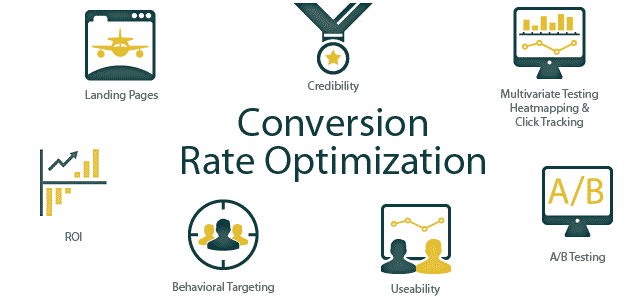
To improve your website’s conversion rate, make it easy for visitors to understand what you offer and take the next step. Use clear, persuasive calls to action, simplify forms and checkout processes, and ensure your pages load quickly and work well on mobile devices. Build trust with helpful information, transparent pricing, testimonials and secure payment options where relevant. Use analytics to identify where visitors leave, then test changes—such as different headlines, page layouts or button wording—and compare the results. Focus on changes that make the experience more useful for your audience, rather than relying on guesswork.
How often should I review and optimise my digital marketing campaigns?
Review your digital marketing campaigns at least monthly to check performance against your goals, budget and key performance indicators. For time-sensitive promotions or campaigns with substantial spend, check results weekly; daily monitoring may be useful for spotting technical issues, but avoid making frequent changes based on short-term fluctuations. Carry out a more thorough review each quarter to assess trends, audience behaviour and whether your overall strategy still fits your objectives. The right schedule depends on the campaign’s scale and pace, so use reliable data and allow changes enough time to produce meaningful results.
What tools can help with digital marketing optimisation?
A range of tools can support digital marketing optimisation, depending on your goals and channels. Web analytics platforms, such as Google Analytics, can show how visitors find and use your website, while search tools such as Google Search Console can help identify SEO opportunities and technical issues. Advertising platforms provide campaign performance data, and email marketing and customer relationship management (CRM) tools can help assess engagement and manage customer journeys. Heat-mapping, usability testing and A/B testing tools can reveal where people encounter friction and which changes work best. Choose tools that suit your needs, check that tracking is set up correctly, and use the insights responsibly while respecting privacy and data protection requirements.
How can I optimise digital marketing campaigns on a limited budget?
To optimise digital marketing campaigns on a limited budget, focus on the channels and activities most likely to reach your target audience and support a clear business goal. Use free analytics tools to identify what is already working, improve existing website pages and content, and prioritise organic search, email and social media where they suit your customers. Test small changes to adverts, headlines or landing pages before committing more spend, and track meaningful results such as enquiries or sales rather than clicks alone. Regularly pause low-performing activity and reinvest in the approaches that deliver the best value.
How do I know whether my digital marketing optimisation efforts are working?
You can tell whether your digital marketing optimisation is working by comparing performance with the clear goals and baseline measures set before making changes. Track relevant metrics—such as qualified website visits, conversion rates, enquiries, sales and customer acquisition costs—using reliable analytics, and look for sustained improvements rather than short-term fluctuations. Consider the quality of results as well as their volume, and check that changes are contributing to wider business objectives. Regular reporting and controlled tests can help show what is driving progress and where further adjustments may be needed.