
Cheap Local SEO: How to Improve Your Visibility Without Overspending
Local search engine optimisation (SEO) helps businesses appear when people nearby search for the products or services they offer. For a small business, a strong local presence can bring more enquiries, visits and sales. The good news is that effective local SEO does not have to involve a large budget. With consistent effort and the right priorities, you can make meaningful improvements at a manageable cost.
What does local SEO involve?
Local SEO focuses on helping search engines understand where your business operates and what it offers. It can help your business appear in local search results and on map listings when someone searches for terms such as “plumber near me” or “coffee shop in Bristol”.
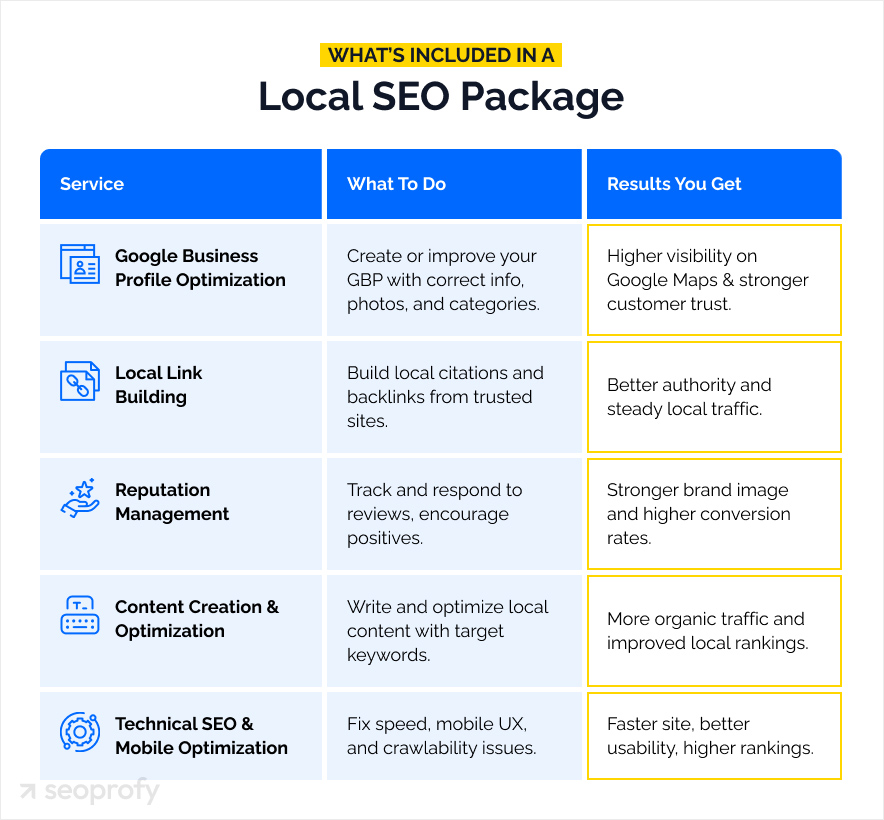
Local SEO typically includes your Google Business Profile, your website, customer reviews, local directory listings and the relevance of your business information across the web.
Start with your Google Business Profile
Creating and maintaining a Google Business Profile is one of the most cost-effective ways to improve local visibility. Keep your business name, address, phone number, opening hours and website accurate. Choose the most relevant business categories, add a clear description and upload genuine photographs of your premises, products or work.
Check the profile regularly, especially if your opening hours change. You can also use its features to share updates, answer questions and respond to reviews. A complete, up-to-date profile gives potential customers useful information and helps Google understand your business.
Make your website locally relevant
Your website should clearly explain what you do and where you do it. Include your town, city or service area naturally in relevant page titles, headings and copy. For example, a page about emergency plumbing could mention the locations the business genuinely serves.
If you serve several distinct areas, consider creating a useful page for each one. Avoid copying the same text and changing only the place name. Each page should provide specific information for customers in that area, such as available services, local projects or practical details.
Make sure your website is easy to use on mobile devices, loads promptly and displays contact details clearly. A simple website that answers customers’ questions is often more valuable than an expensive redesign.
Keep business details consistent
Check that your business name, address and phone number are consistent across your website, Google Business Profile and reputable online directories. Inaccurate or conflicting details can confuse potential customers and make it harder for search engines to verify your business information.
Focus on relevant directories and industry listings rather than submitting your details to every website you can find. Some directories charge for enhanced listings, so review the likely value before paying.
Encourage genuine customer reviews
Reviews can help people decide whether to contact your business. Ask satisfied customers to leave an honest review, using a polite follow-up message or a link to your review page. Do not offer rewards in exchange for positive reviews, write reviews on customers’ behalf or purchase fake ones. These practices can damage trust and may breach platform rules.
Respond to reviews professionally, including critical feedback. A thoughtful reply shows that the business takes customer experiences seriously. Never share private customer details in a public response.
Create helpful local content
Useful content can attract people who are looking for advice as well as those ready to buy. Consider writing about common questions, local regulations, seasonal issues or projects you have completed. A local business might publish a guide to preparing a garden for winter or explain what to consider when choosing a solicitor in the area.
Content should be accurate, useful and written for real readers. Publishing frequently is less important than providing information that genuinely helps your audience.
Measure what is working
Use free tools such as Google Search Console and Google Analytics to monitor website performance. Your Google Business Profile may also provide information about customer interactions. Look at measures such as calls, direction requests, enquiries and visits to important pages—not just rankings.
Give changes time to make an impact. Local SEO is an ongoing process, and results can vary depending on your competition, location and website history. Keep a simple record of the work you carry out and review the results periodically.
What to watch out for when choosing cheap local SEO
Low-cost SEO can be worthwhile, but unusually bold promises are a warning sign. Be cautious of providers that guarantee a number-one ranking, offer hundreds of backlinks for a very low price or cannot explain what their service includes. Poor-quality links, copied content and misleading business listings can create problems rather than solve them.
Before hiring an agency or freelancer, ask for a clear list of deliverables, realistic timescales and examples of relevant work. Make sure you retain ownership of your website and business profiles, and ask how progress will be reported.
A practical low-cost local SEO plan
- Complete and verify your Google Business Profile.
- Check that your contact details and opening hours are accurate everywhere.
- Improve the main pages on your website with clear service and location information.
- Ask customers for honest reviews and respond to feedback.
- Publish useful local content when you have something valuable to share.
- Review performance regularly and focus on activities that lead to genuine enquiries.
Conclusion
Cheap local SEO is not about finding a shortcut to the top of search results. It is about using your time and budget wisely: keeping business information accurate, making your website helpful, earning genuine reviews and building trust with local customers. Start with the basics, improve them consistently and invest in specialist help only where it will make a clear difference.
7 Budget-Friendly Local SEO Tips for Small Businesses
- Claim and complete your free Google Business Profile.
- Keep your name, address and phone number consistent online.
- Add local keywords naturally to your website pages.
- Ask happy customers for honest reviews.
- List your business in relevant free local directories.
- Create useful pages for the areas you serve.
- Share local updates and photos on your profile.
Claim and complete your free Google Business Profile.
Claiming and completing your free Google Business Profile is one of the simplest, most affordable ways to improve your local visibility. Add accurate details such as your business name, address, phone number, opening hours, website and services, then choose the most relevant categories and upload genuine photos. Keep the information up to date, share occasional business updates and respond to customer reviews. A complete profile helps local customers find and understand your business, while giving search engines reliable information about what you offer and where you operate.
Keep your name, address and phone number consistent online.
Keep your business name, address and phone number (NAP) consistent across your website, Google Business Profile and reputable online directories. Even small differences—such as an outdated phone number or a shortened address—can confuse potential customers and make it harder for search engines to confirm your details. Check your listings regularly, update any changes promptly and prioritise directories that are relevant to your business and local area.
Add local keywords naturally to your website pages.
Add local keywords naturally to the pages on your website to help search engines and potential customers understand where you operate. Mention relevant towns, neighbourhoods or service areas alongside the services you provide—for example, “boiler repairs in Leeds”—where it fits the content. Avoid repeating location names unnaturally or listing places you do not serve; clear, useful copy is better for readers and can support your local visibility without extra cost.
Ask happy customers for honest reviews.
Ask happy customers to leave an honest review after a positive experience. A friendly follow-up message with a direct link makes it easy for them to share feedback and can help build trust with people searching for local businesses. Never offer rewards for positive reviews or write reviews on customers’ behalf; genuine feedback is more valuable and helps protect your business’s credibility.
List your business in relevant free local directories.
Listing your business in relevant free local directories is a simple, low-cost way to strengthen your local SEO. Choose reputable directories that serve your area or industry, and make sure your business name, address, phone number and website are accurate and consistent with the details on your website and Google Business Profile. Prioritise quality over quantity: a few trusted, relevant listings are more useful than dozens of low-quality submissions. Review your listings occasionally to keep information up to date.
Create useful pages for the areas you serve.
Create useful pages for the areas you serve by explaining which services are available in each location and including details that matter to local customers, such as typical response times, local projects or area-specific advice. Make every page genuinely informative rather than duplicating the same text and swapping in a different place name. This practical approach can help visitors decide whether your business is right for them and give search engines a clearer picture of where you operate—all without requiring a large SEO budget.
Share local updates and photos on your profile.
Regularly sharing local updates and genuine photos on your Google Business Profile is a simple, low-cost way to keep your business visible and engaging. Post useful news such as seasonal offers, changes to opening hours, new services or community events, and add clear images of your team, premises, products or recent work. Fresh, relevant content helps potential customers understand what you offer and shows that your business is active. Keep posts accurate and avoid using stock images that could mislead people.