
International Search Engine Optimisation: A Guide to Growing Your Global Visibility
International search engine optimisation (SEO) helps businesses reach people in different countries and languages through organic search. It involves more than translating a website: successful international SEO takes account of local search habits, language, culture, technical requirements and business priorities.
Whether you are entering one new market or building a global presence, a well-planned approach can help search engines understand which pages are intended for which audiences—and help visitors find content that feels relevant to them.
What is international SEO?
International SEO is the process of adapting a website so that it can perform in search results across multiple countries, languages or regions. It includes decisions about website structure, localised content, technical signals and market-specific research.
For example, a business might need separate pages for English-speaking customers in the UK and the United States. Although both audiences use English, they may search for products differently, use different terminology and expect different prices, delivery information or spelling.
Start with market research
Before creating international pages, identify where there is a realistic opportunity for your business. Consider demand, competition, purchasing behaviour, shipping or service availability, local regulations and the resources needed to support customers in each market.
Keyword research should also be carried out for each target market. Directly translating keywords from one language to another can miss the phrases people actually use. Research local search terms, synonyms, spelling variations and search intent, ideally with help from people who understand the market.
Choose the right website structure
Your URL structure helps visitors and search engines understand which version of a page is relevant to them. Common approaches include:
- Country-code top-level domains (ccTLDs): For example,
example.frfor France. These provide a clear country signal but may require separate websites and ongoing maintenance. - Subdirectories: For example,
example.com/fr/. These keep regional content within one domain and can be simpler to manage. - Subdomains: For example,
fr.example.com. These can offer flexibility, though they may need additional configuration and management.
There is no single structure that suits every organisation. Consider your technical setup, available resources, brand strategy and the level of local independence each market needs. Avoid relying on URL parameters alone to indicate a page’s target country or language.
Localise content—not just words
Translation is an important part of international SEO, but localisation goes further. Adapt content to the audience’s vocabulary, cultural expectations, units of measurement, currency, dates and relevant local examples. Review product details, payment options, shipping information and customer support arrangements as well.
Whenever possible, have content reviewed by a fluent speaker with knowledge of the local market. This helps ensure that pages read naturally and reflect how people search and make decisions in that location.
Use hreflang correctly
hreflang annotations tell search engines about equivalent pages intended for different languages or regional audiences. They can help search engines show the appropriate version to a user. For example, a site may have separate pages for UK and US English.
Each page in a group of alternatives should identify the other relevant versions, including itself. The language and, where appropriate, regional codes must be formatted correctly. A page can also include an x-default annotation to indicate a default version for users who do not match a specified language or region.
Hreflang is a signal, not a guarantee that a particular page will appear in every search result. Keep annotations consistent, point them to canonical pages and check them for errors after launch.
Manage duplicate and similar content
International sites often contain pages that are similar across markets. This is not automatically a problem, particularly when each page serves a distinct audience. Make sure each version has a clear purpose and includes locally relevant information where appropriate.
Canonical tags should generally point to the preferred version of a page for that market. Avoid using a canonical tag to point all language or country versions to one page if those versions are intended to appear separately in search results. Canonical and hreflang signals should be planned together.
Pay attention to technical performance
Technical SEO provides the foundations for international visibility. Check that important pages can be crawled and indexed, that internal links lead to the correct regional versions, and that XML sitemaps contain the intended URLs.
Page speed and mobile usability matter across markets. Test the experience on the devices and connection speeds commonly used by your target audiences. If you use a content delivery network or host content in different regions, verify that it is configured correctly and does not prevent search engines from accessing pages.
Be cautious with automatic redirects based on a visitor’s location or browser language. These can frustrate users and may make it harder for search engines to access alternative versions. Where redirection is necessary, offer a clear way to choose or change location and language.
Build local relevance and trust
Links and mentions from reputable local websites can help audiences discover your business and reinforce its relevance in a market. Focus on genuine relationships, useful local content and credible partnerships rather than pursuing links purely for volume.
Display accurate business details, contact options, delivery terms and local policies. Where relevant, provide locally recognised trust signals, payment methods and customer service information. These details can improve the user experience, even when they are not direct ranking factors.
Measure results by market
Track performance separately for each country, language and site section. Useful measures include organic visits, visibility for local keywords, engagement, enquiries, sales and revenue. Search Console and analytics platforms can help identify where pages are appearing and how visitors interact with them.
Compare results with the goals for each market rather than relying only on overall website traffic. A region with lower traffic may still be valuable if it attracts qualified visitors and generates strong conversions.
Common international SEO mistakes
- Translating pages without researching local keywords or search intent.
- Using the same content for every market when products, services or customer needs differ.
- Implementing hreflang with incorrect language or regional codes.
- Redirecting visitors automatically without providing a clear choice.
- Pointing all regional pages to one canonical URL when they should be indexed separately.
- Launching new market pages without ongoing local review and maintenance.
Build for the long term
International SEO is an ongoing programme, not a one-off translation project. Search behaviour, competition, products and local requirements can change, so review performance regularly and update pages as markets evolve.
By combining careful market research, thoughtful localisation, sound technical implementation and consistent measurement, businesses can create a more useful experience for international audiences—and give their content a stronger foundation in search results around the world.
18 Common Questions About International SEO: Strategies, Tools, and Tips
- What is international SEO strategy?
- What is local vs international SEO?
- Is SEO different in different countries?
- How to do SEO for another country?
- What are the 5 best SEO tools?
- What are the benefits of international SEO?
- How can I do SEO for International website?
- What is the meaning of SEO in Fiverr?
- What are some unique considerations for international SEO?
- What are the best international SEO tips?
- What is the difference between local SEO and international SEO?
- How to do SEO for a specific country?
- What are the 4 types of SEO?
- What are the 3 types of SEO optimizations?
- How do I create an international SEO?
- Why is international SEO important?
- What is international SEO?
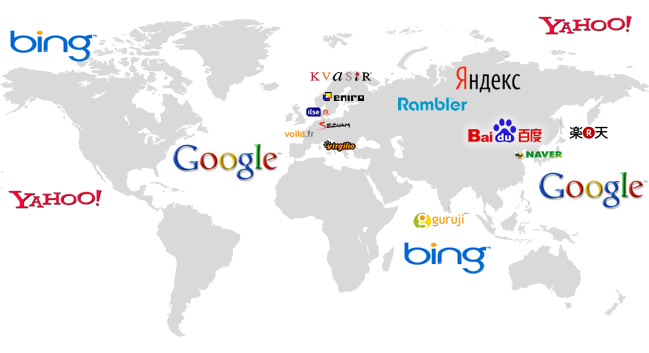
- What is international search engine?
What is international SEO strategy?
An international SEO strategy is a plan for helping your website reach people in different countries and languages through search engines. It brings together decisions about target markets, local keyword research, website structure, content translation and localisation, and technical elements such as hreflang tags. A strong strategy also considers local search habits and customer needs, then measures performance separately in each market so the approach can be refined over time.
What is local vs international SEO?
Local SEO focuses on improving a business’s visibility in searches tied to a specific area, helping nearby customers find services, locations and contact details. International SEO aims to reach audiences across different countries or language markets, using localised content, suitable website structures and technical signals such as hreflang to guide search engines to the most relevant version of a page. In short, local SEO targets customers in a particular locality, while international SEO helps a business connect with audiences in multiple markets.
Is SEO different in different countries?
Yes, SEO can differ from country to country because people use different search terms, languages and platforms, and may have distinct expectations around products, content and customer service. Search engines may also interpret local signals—such as country-specific domains, local links, contact details and regional content—when deciding which pages to show. Effective international SEO therefore involves researching each market and adapting content and technical settings, rather than simply translating the same keywords and pages.
How to do SEO for another country?
To do SEO for another country, begin by researching local search habits, competitors and the terms people use in that market—rather than simply translating your existing keywords. Choose a suitable website structure, such as a country-specific domain or a dedicated subdirectory, then create and localise useful content that reflects local language, culture, currency and customer needs. Use hreflang annotations to identify equivalent language or regional pages, check that search engines can crawl and index them, and provide clear local contact, delivery and payment information. Finally, track rankings, traffic and conversions separately for each market, and update your strategy as local conditions change.
What are the 5 best SEO tools?
There is no single set of SEO tools that suits every business, but five popular choices are Google Search Console for monitoring search performance and indexing, Semrush for keyword and competitor research, Ahrefs for backlink analysis and content research, Screaming Frog SEO Spider for technical site audits, and Google Analytics 4 for understanding website traffic and conversions. For international SEO, use these tools to compare performance by country and language, research local search terms, and check that regional pages and hreflang annotations are working correctly.
What are the benefits of international SEO?
International SEO helps your business reach potential customers in different countries and languages by making your website more visible in relevant local search results. It can attract more qualified visitors, build trust through locally relevant content, and support growth in new markets without relying solely on paid advertising. By adapting your site to local search habits and customer needs, you can also create a smoother experience that encourages enquiries, sales and long-term customer relationships.
How can I do SEO for International website?
To do SEO for an international website, first choose the countries and languages you want to target, then research how people in each market search rather than simply translating existing keywords. Create localised content and choose a clear URL structure, such as country-specific domains or language and country subdirectories. Use hreflang annotations correctly to help search engines serve the right version, and check that canonical tags, internal links, sitemaps and redirects are configured appropriately. Make each page useful to its intended audience with relevant local information, currency, spelling and contact details. Finally, monitor organic visibility, traffic and conversions separately for each market, and update your strategy as local needs and search behaviour change.
What is the meaning of SEO in Fiverr?
On Fiverr, SEO means “search engine optimisation” and refers to services that aim to improve a website’s visibility in unpaid search results, such as Google. Freelancers may offer help with keyword research, on-page optimisation, technical checks, content or link building. The exact service varies, so review each gig’s description, deliverables and experience carefully. SEO takes time, and no seller can guarantee a specific ranking or a particular result.
What are some unique considerations for international SEO?
International SEO involves more than translating your website: consider how people search in each market, including local terminology, spelling, culture and search intent. Choose a suitable URL structure, such as country-specific domains or language and country subdirectories, and use hreflang annotations correctly to help search engines serve the right page to the right audience. Localise currencies, measurements, dates, content and customer information, and check that pages meet local legal and accessibility requirements. Also plan for market-specific technical needs, such as site speed, mobile use and reliable access, while avoiding automatic redirects that prevent visitors or search engines from reaching other versions. Regularly review performance and update each market’s content as local needs change.
What are the best international SEO tips?
The best international SEO tips start with thorough research into each target market: identify local search terms, understand search intent and adapt your content rather than translating it word for word. Choose a clear URL structure, use hreflang annotations correctly to indicate language and regional alternatives, and make sure each page has appropriate canonical tags. Localise details such as currency, spelling, measurements, delivery information and contact options, while ensuring pages are fast, mobile-friendly and easy for search engines to crawl. Avoid automatic redirects that prevent visitors or search engines from accessing other versions, and track rankings, traffic and conversions separately for each market so you can improve your approach over time.
What is the difference between local SEO and international SEO?
Local SEO helps a business appear in search results for customers in a specific local area, often by optimising its Google Business Profile, local listings and location-based website content. International SEO, by contrast, helps a business reach audiences in multiple countries or language markets. It involves researching how people search in each market, localising content, choosing an appropriate website structure and using technical signals such as hreflang to help search engines show the right page to the right audience.
How to do SEO for a specific country?
To do SEO for a specific country, first research how people there search, including local keywords, spelling, language and buying habits. Create genuinely localised content that reflects the market, and use a clear URL structure, such as a country-code domain or a country-specific subdirectory. Set up hreflang tags when you have equivalent pages for different languages or regions, and make sure search engines can crawl and index the right pages. Build local relevance through accurate contact and delivery information, suitable currencies and trusted links or mentions from local websites. Finally, track rankings, traffic and conversions for that country, then refine your approach using the results.
What are the 4 types of SEO?
The four commonly recognised types of SEO are on-page, off-page, technical and local SEO. On-page SEO improves elements such as page content, headings and keywords; off-page SEO builds authority through reputable links and mentions; technical SEO focuses on areas such as site speed, mobile usability, crawling and indexing; and local SEO helps businesses appear in searches relevant to a particular location. For international SEO, these approaches are applied across target countries and languages, with additional attention to localisation, regional site structure and language targeting.
What are the 3 types of SEO optimizations?
The three main types of SEO optimisation are on-page, off-page and technical SEO. On-page SEO improves elements on your website, such as content, headings, keywords and internal links. Off-page SEO builds your site’s reputation and authority through activities such as earning relevant links and gaining trusted mentions. Technical SEO focuses on the foundations that help search engines crawl, understand and index your site, including site speed, mobile usability and structured data. For international SEO, all three should be adapted to the languages and markets you want to reach.
How do I create an international SEO?
To create an international SEO strategy, first choose the countries and languages that best match your business goals, then research how people in each market search. Create localised content rather than simply translating existing pages, and choose a clear URL structure, such as country domains or language subdirectories. Set up hreflang annotations correctly to help search engines identify the intended audience for each page, and check that your site is crawlable, mobile-friendly and fast in every market. Finally, track rankings, traffic and conversions by country, and regularly update your content to reflect local needs and changes in search behaviour.
Why is international SEO important?
International SEO is important because it helps your business reach potential customers in other countries by making your website easier to find in their local search results. By tailoring your content, language and technical settings to each market, you can provide a more relevant experience, build trust with international audiences and attract qualified traffic that is more likely to become enquiries or sales.
What is international SEO?
International SEO is the process of improving a website’s visibility in search results across different countries and languages. It involves researching how people search in each target market, creating or adapting content for local audiences, and using technical signals—such as suitable website structures and hreflang tags—to help search engines show the most relevant version of a page.
What is international search engine?
An international search engine is a search platform that serves users in multiple countries and languages, such as Google or Bing. It may adapt results according to a user’s location, language and search preferences. International search engine optimisation (SEO), by contrast, is the process of improving a website’s visibility in search results across different countries and languages.