
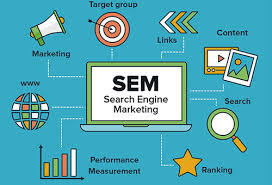
Web Search Engine Marketing: A Practical Guide
When people need a product, service or answer, they often begin with a search engine. Web search engine marketing helps businesses appear in those search results and connect with people who are already looking for something relevant. Done well, it can increase visibility, attract qualified visitors and support long-term business growth.
What is web search engine marketing?
Web search engine marketing is the practice of promoting a website through search engines. It commonly includes two complementary approaches:
- Search engine optimisation (SEO): improving a website so that it is more likely to appear in unpaid, or organic, search results.
- Paid search advertising: paying to display adverts in search results, usually through a pay-per-click (PPC) platform.
The term “search engine marketing” is sometimes used specifically to mean paid search. In broader usage, it describes both paid and organic search activity. Whichever definition is used, the aim is to reach the right audience when they search for relevant terms.
How organic search marketing works
Search engines aim to show results that are useful and relevant to each query. SEO helps search engines understand a website and helps visitors find useful information on it. It is an ongoing process rather than a quick fix.
Key areas of SEO include:
- Keyword research: discovering the words and phrases people use, and understanding what they hope to find.
- Helpful content: creating accurate, clear pages that answer visitors’ questions or help them make a decision.
- Technical SEO: making sure pages can be found and understood by search engines, load reliably and work well on mobile devices.
- On-page optimisation: organising headings, page titles, descriptions, links and content so that each page has a clear purpose.
- Reputation and authority: earning trustworthy references and links from relevant websites.
Organic results do not require a payment for each click, but achieving and maintaining strong rankings takes time, expertise and regular attention. Rankings can change as search engines update their systems and competitors improve their own websites.
How paid search advertising works
Paid search adverts can appear above or alongside organic results. Advertisers generally choose the searches they want to target, set budgets and bids, and create adverts that lead to relevant landing pages. In many campaigns, the advertiser pays when someone clicks an advert.
Cost is not the only factor in where an advert appears. Search platforms may also consider how closely the advert and landing page match the query, alongside other factors. A well-managed campaign therefore needs more than a large budget: it needs relevant targeting, useful advert copy and a good visitor experience.
Paid search can deliver visibility quickly, but traffic usually falls when the campaign stops. It is also possible to spend money on clicks that do not lead to enquiries or sales. Regular monitoring helps identify which searches, adverts and pages are delivering worthwhile results.
Choosing the right keywords
Keyword research is central to both SEO and paid search. The best terms are not necessarily the ones with the highest search volume. They should match the business’s offer and the visitor’s intent.
For example, someone searching for “how to choose a bicycle” may be looking for advice, while someone searching for “buy a commuter bicycle” may be closer to making a purchase. Content and campaigns should reflect these differences. Businesses can also consider specific, more detailed phrases, which may attract fewer searches but bring visitors with a clearer need.
Creating pages that turn visits into results
Getting visitors to a website is only part of the task. The page they land on should make it easy to understand what is being offered and what to do next. This might mean making a purchase, requesting a quotation, booking an appointment or signing up for updates.
Effective landing pages usually have clear headings, useful information, straightforward navigation and a prominent next step. They should also load promptly and work well on different screen sizes. The page must deliver what the search result or advert promised; otherwise, visitors may leave without taking action.
Measuring search marketing performance
Search marketing should be measured against business goals, not just rankings or traffic. Useful measures can include:
- visits from organic and paid search;
- enquiries, purchases, bookings or other conversions;
- conversion rate and cost per conversion;
- revenue or value generated by campaigns; and
- the quality and relevance of the traffic received.
Analytics and search platform reports can help show what is working. However, data needs context: a rise in visits is not necessarily beneficial if those visitors are unlikely to become customers. Tracking should be set up carefully, with appropriate respect for privacy and applicable data protection requirements.
SEO and paid search: working together
SEO and paid search are not competing choices. Paid campaigns can provide immediate visibility and help test which messages or search terms attract interest. SEO can build a lasting source of organic traffic over time. Insights from one approach may inform the other, while using both can increase the chances of appearing for important searches.
The right balance depends on factors such as budget, competition, timescales and business objectives. A new business seeking early exposure may place more emphasis on paid search, while a business investing in long-term growth may focus strongly on SEO. Many organisations benefit from a considered mix.
Common mistakes to avoid
- Targeting broad or irrelevant keywords without considering visitor intent.
- Sending visitors to a generic page that does not answer their search.
- Expecting SEO to produce instant results.
- Running paid campaigns without conversion tracking or budget controls.
- Focusing on rankings and clicks while overlooking leads, sales and return on investment.
- Using misleading claims or low-quality content to try to manipulate search results.
Getting started
A practical starting point is to define what success means for the business, review the website and identify the searches most relevant to its audience. From there, create or improve useful pages, make sure the site is technically sound, and consider a carefully budgeted paid campaign where appropriate. Review performance regularly and refine the approach using evidence.
Web search engine marketing is most effective when it is treated as an ongoing part of a wider digital strategy. By combining relevant content, a reliable website, thoughtful advertising and meaningful measurement, businesses can make it easier for potential customers to find them—and give those visitors a good reason to take the next step.
Search Engine Marketing: 7 Frequently Asked Questions
- What is web search engine marketing?
- What is the difference between SEO and paid search marketing?
- How does pay-per-click (PPC) advertising work?
- How long does SEO take to show results?
- How much does search engine marketing cost?
- How can I choose the right keywords for my website?
- How do I measure the success of a search engine marketing campaign?
What is web search engine marketing?
Web search engine marketing is the practice of promoting a website in search engine results to help people find relevant products, services or information. It can include search engine optimisation (SEO), which aims to improve a site’s visibility in unpaid results, and paid search advertising, where businesses pay to display adverts for selected searches. Together, these approaches can increase a website’s visibility and attract visitors who are looking for what it offers.
What is the difference between SEO and paid search marketing?
SEO (search engine optimisation) aims to improve a website’s visibility in the unpaid, or organic, search results by making its content and technical performance more useful and accessible. It can build a lasting source of traffic, but results often take time. Paid search marketing places adverts in search results and typically charges the advertiser when someone clicks. It can provide visibility more quickly and offers control over targeting and budgets, but traffic may stop when spending ends. Many businesses use both approaches to support their search marketing goals.
How does pay-per-click (PPC) advertising work?
Pay-per-click (PPC) advertising lets businesses display adverts in search results and other online spaces, typically paying a fee each time someone clicks. Advertisers choose relevant keywords, set a budget and bid for visibility, while the platform considers factors such as the bid, advert relevance and landing-page quality when deciding where ads appear. A well-managed PPC campaign connects targeted adverts to useful landing pages and tracks actions such as enquiries or purchases, helping businesses assess whether their spend is delivering value.
How long does SEO take to show results?
SEO usually takes several months to show noticeable results, although the timeframe varies depending on your website’s current condition, competition, industry and the work involved. Some improvements, such as fixing technical issues, may have an effect sooner, while stronger organic rankings and a steady increase in relevant traffic often take six months or longer. SEO is an ongoing process, so regular improvements and monitoring are important; no reputable provider can guarantee a specific ranking or timeline.
How much does search engine marketing cost?
The cost of search engine marketing varies depending on your goals, industry, competition and chosen approach. With paid search, you set a budget and are typically charged when someone clicks your advert; costs per click can vary considerably. SEO does not usually involve paying for each visit, but it requires time and may involve costs for specialist support, content and website improvements. Start with a budget you can sustain, track enquiries or sales as well as clicks, and adjust your investment according to the results.
How can I choose the right keywords for my website?
Choose keywords by considering what your audience is searching for and what they hope to achieve. Start with the products, services or topics your website offers, then use keyword research tools and search suggestions to find relevant phrases and estimate their search volume and competition. Prioritise terms that match the intent of your pages—for example, someone ready to buy may use different words from someone seeking general advice. Specific, longer phrases can attract fewer searches but often bring more relevant visitors. Use each keyword naturally in useful content, page titles and headings, and review performance regularly rather than forcing keywords into your copy.
How do I measure the success of a search engine marketing campaign?
Measure the success of a search engine marketing campaign against clear business goals, such as generating sales, enquiries or bookings. Track relevant metrics including conversions, conversion rate, cost per conversion, return on advertising spend and, for organic search, qualified visits and visibility for relevant search terms. Use analytics and search platform reports to see which keywords, adverts and landing pages perform best, and make sure conversion tracking is set up correctly. Clicks and impressions can indicate reach, but they should be considered alongside the results that matter to your business.